
Stevia – A Natural and Healthy Sweetener
What is Stevia?
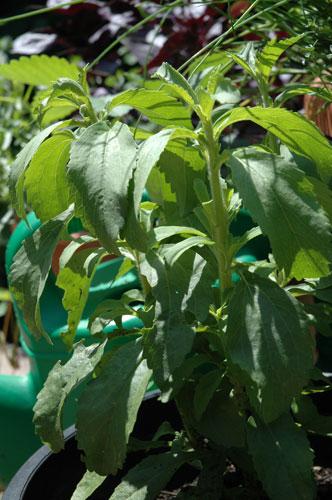
Stevia (Stevia rebaudiana) is a species of shrub and herb native to the rain forests of Paraguay. It is in the sunflower family (Asteraceae) and is related to lettuce and marigolds. Also known as sweet leaf and sugar leaf. Stevia is used as a dietary supplement and sugar substitute.
It has no calories, no carbohydrates, and a zero glycemic index which makes it a great natural alternative to sugar and chemical sweeteners and it is up to 300 times sweeter than sugar.
It also has many medicinal properties such as aiding digestion and lowering blood sugar levels. Not without health controversy some studies have reported adverse effects. However, there have been no reports of harmful effects after 30 years of use in Japan nor centuries of use in South America. It has been used in Japan (where aspartame is banned) since the 1970s as the main alternative to sugar in gum, soft drinks and other commercial foods and beverages.
Stevia has been used for over 1500 years by the native Guarani Indians of Paraguay. Today it is grown around the world, primarily in Asia and South America.
Political controversy surrounds this herb as well. In 1991, Stevia import to the United States was banned by the FDA who deemed it an “unsafe food additive.” Proponents of Stevia believed this ruling was in response to pressure from the artificial sweetener industry. It remained banned until 1994 when it was approved as a dietary supplement but not a food additive. In December 2008, Stevia was granted GRAS (Generally recognized as safe) status by the FDA.
Forms of Stevia:
Stevia can be purchased and used in a variety of forms – leaf, liquid, or powdered extract. Also the fresh leaves can be added to any hot liquid to sweeten. It is quite easy to grow.
The leaves can be dried and used to make herbal teas and liquid extracts. Liquid extracts are a concentrated syrup usually with a water or alcohol base. Sweetness can vary between manufacturers. The leaves are also processed to produce an off-white powder that is referred to as Stevioside.
Health Benefits and Therapeutic Uses:
There are numerous reasons to include Stevia in your diet:
No Harmful Side Effects – Does not have any of the negative side effects that have been associated with artificial sweeteners such as aspartame.
Diabetes – Nurturing to the pancreas. It can be used by diabetics as a sweetener and also as a method for controlling blood sugar levels. Studies have shown that it actually helps to regulate blood glucose levels in people with diabetes and hypoglycemia.
Hypertension – Studies have shown that it lowers high blood pressure and does not affect regular blood pressure.
Teeth and Gums – Will not cause cavities and actually helps to prevent them. It has antibacterial properties, inhibiting the growth of bacteria and other infectious organisms. Some manufacturers are adding Stevia to toothpaste and mouthwash.
Skin Care – Can be applied to the skin to treat acne and other skin ailments. It has also been shown to protect against premature aging. A few drops of liquid Stevia extract can be placed directly in a cut to help quicken healing.
Digestion – Shown to aid with digestion and soothe upset stomach.
Weight Loss – Does not have any calories nor carbohydrates which makes it excellent as a weight-loss aid . Some reports suggest that it can help to minimize the sensations of hunger and cravings for sweets or fatty foods.
Using Stevia:
Primarily, I use Stevia to sweeten beverages. I really like it in homemade iced tea and lemonade. You can even add liquid Stevia to your ice cubes and sweeten your tea as you cool it. Put two drops of Stevia in each compartment of the ice cube tray, fill with water, and freeze.
Stevia is stable up to 400F which makes it a viable alternative to sugar for baking. However, adjustments have to be made for the lack of moisture and bulk.
For every cup of sugar that is replaced by Stevia there should be 1/3 cup of the liquid or other bulk added to the recipe. Some suggested additions are: applesauce, yogurt, fruit juice, fruit pur, egg whites or water. Any liquid that is used in the recipe will work fine.
I have been experimenting with using Stevia in baking with varying degrees of success. Besides sweetness, sugar adds other properties to baked goods. It caramelizes and causes browning, adds texture, moisture and volume. Because Stevia is so sweet, very little is used and as mentioned, does not add bulk as does sugar.
Source: Article by Charlotte Bradley. Check out all of Charlotte Bradley’s Healthy Lifestyles columns.