
Yoga for Fitness and Weight Loss
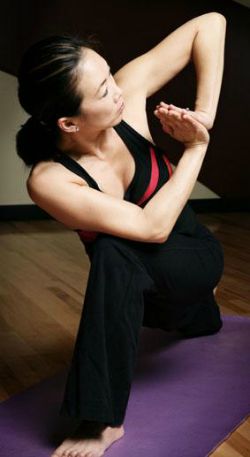 As anyone who watches late-night television can attest, there are no shortage of “innovative” new weight loss programs out there. Numerous infomercials tout the benefits of expensive machines, videos, and pills, all of which are “guaranteed” to help us lose weight and look better.
However, there’s another form of exercise that offers these same benefits, as well as countless others. It may even help you avoid the insomnia that causes you to catch those aforementioned two-in-the-morning infomercials in the first place. It’s not exactly a new fitness program – current research suggests it’s been around for approximately 5000 years – but novel ways of approaching it are constantly popping up.
“It” is yoga, and while you probably have heard of it, you may not be aware of just how powerful this ancient practice can be. Recent studies have shown that yoga can reduce back pain, alleviate insomnia, depression and anxiety, and boost your immunity to heart disease. But considering the biggest killer in the United States is obesity, the question remains: can yoga really help you lose pounds and keep you physically fit?
The skinny on yoga for weight loss:
Skeptics argue that the average yoga class doesn’t raise the heart rate enough to burn sufficient calories for weight loss.
This is true: Even the more intensive “power yoga” classes offered at many gyms can’t compare to a high-impact aerobics class or an hour on the elliptical. But a recent study suggests that yoga aids in weight loss all the same.
At the Fred Hutchinson Cancer Research Center of Seattle, WA, 15,000 middle-aged adults were followed for a 10-year period. Some participated in yoga classes, some didn’t. In the end, the study participants who didn’t practice yoga gained approximately 18 pounds more than those who did practice, even for a short time period – as little as one 30-minute yoga session a week for four years made a difference. And those in the study who were overweight to begin with showed even more promising results: while those without a regular yoga practice gained around 13 pounds in a 10-year period, the overweight participants who incorporated yoga into their lives lost 5 pounds (without trying any other specific diet or exercise plan).
If most yoga classes don’t provide fat-burning aerobic workouts, why does yoga appear to have such a positive impact on weight? The answer may be the mind-body connection so important to the practice. If this sounds like a bunch of new-age malarkey, consider the following common causes of weight gain – all of which yoga can alleviate:
Stress: High levels of stress created high levels of cortisol, a stress-response hormone and favorite of the ineffectual diet pill circuit. Have you ever seen the commercial where they link cortisol to belly fat? That’s actually a concrete claim. An overload of cortisol can cause you to eat more and store those extra calories in your abdomen. By reducing stress, yoga lowers your cortisol levels.
Depressio: According to a study in General Hospital Psychiatry, women with clinical depression are more than twice as likely to be obese. Practicing yoga consistently is suspected to increase serotonin levels and decrease monoamine oxidase, two factors that positively affect depression.
Overeating and body awareness: The Fred Hutchinson study results, published in Alternative Therapies in Health and Medicine, implied that the yogis of the group were less inclined to overeat or indulge in junk food out of respect for their bodies. Unlike most forms of exercise, yoga is holistic: it teaches total body awareness, linking breathing and meditation with movement, and instilling a respect for the whole self. If you’re more in tune with your body, you’ll be able to better read your hunger signals – and probably be less likely to reach for that box of Oreos next time the urge to snack hits.
Body Benefits: How does yoga rate as a fitness program?
Most of us buy into the “no pain – no gain” adage. We huff and puff our way through spinning classes, despite a risk of straining our knees, or we put our joints in harm’s way through high-impact workouts. When done correctly, these fitness activities can be perfectly safe – but in our competitive world, it’s easy to push ourselves right into repetitive strain injuries. Even if your heart is strong from running marathons, how will you maintain that physical fitness later in life if your knees give out from years of overuse?
The beauty of yoga is that it is not only gentle on the body, but it teaches us to enjoy the journey rather than the destination. By learning better ways of breathing, standing, balancing and stretching, our bodies and minds can achieve better health without the risks inherent in many competitive sports and goal-oriented fitness classes. And, it’s an equal-opportunity activity – even those with restrictions or injuries can reap the benefits. While those who desire a strenuous workout can seek out vigorous Ashtanga or power yoga classes, there are also modified versions of the practice that cater to the elderly, the pregnant, or the sick.
The better shape we are in, the better our appearance, general happiness, and self-esteem. But getting fit is not just about fitting into your skinny jeans. What our bodies look like is only as important as what our bodies can do. One of the main tenants of yoga is self-empowerment. When learning the poses (or “asanas”), it can be frustrating at first. Balancing on one leg, getting your limbs to bend into crazy positions, holding poses that strain your arms in ways you never thought possible – it’s easy to feel overwhelmed. The more you practice, however, the easier the poses become, giving you a sense of accomplishment that translates into all aspects of life.
After all, if you can twist yourself into a pretzel, what can’t you do?
 Charlotte Bradley is the publisher of YogaFlavoredLife.com and an avid yoga practitioner. She was a student of karate for many years and took up yoga only tentatively after the birth of her sons and a knee injury left her looking for a less high-impact form of exercise. It was love at first pose as Charlotte saw how quickly yoga sped her rehabilitation along. She also found that yogic relaxation techniques lent her proper focus, bringing balance into her life as well as a greater appreciation for how blessed she truly is. She lives in Ottawa, Ontario with her husband and twin boys, Charlie and Patty, who keep her on her feet and on the go. Her golden retriever supervises Charlotte’s yoga workouts from a spare mat, with his eyes closed.
Check out all of Charlotte Bradley’s Healthy Lifestyles columns.
Categories:
Fitness and Exercise Articles