
Check out all of Charlotte Bradley’s Healthy Lifestyles columns.
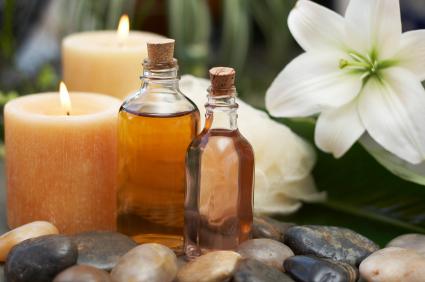 Aromatherapy is a form of alternative, holistic medicine that uses essential oils and other aromatic compounds extracted from plants for the purpose of affecting mood and health.
Its history dates back over 6000 years to the time of ancient Egyptians, Romans, and Chinese who burned scented flowers and herbs for their cosmetic and curative properties. Modern aromatherapy began in the 1920s with French scientist Rene Maurice Gattefosse who discovered that an extract of lavender oil aided in the healing and prevented scarring after he accidentally burned his hands.
Today, the effectiveness of aromatherapy is often called into question, but practitioners, even respiratory therapists and aromatherapists alike strongly defend the use of essential plant oils for both psychological and physiological benefits.
With a few safety tips in mind, aromatherapy can be a pleasant hobby that helps alleviate stress, slows down our hectic pace of life, and offers a pleasant environment in which to live and breathe.
Aromatherapy Basics:
Essential oils are volatile plant liquids extracted through a distillation or expression process. These extremely concentrated oils are the heart of aromatherapy – used for massage, bath, candles, room and body perfumes, and body cleansers. Typically, essential oils are highly concentrated, fragrant substances that cannot be used directly on skin without first diluting in base oils such as sweet almond or olive oil.
The benefits of aromatherapy are vast and varied. Depending upon the essential oils used in a recipe and the means in which it is used (i.e. either inhaled, or topically applied), aromatherapy has been linked to a host of beneficial side effects such as relief of stress, headaches, and insomnia, an increase in immune function as well as mood enhancement. Due to its calming effects and ability to relax muscle tension and regulate hormones, aromatherapy may be used in conjunction with other holistic practices, such as yoga. Essential oils soothe body and mind and can help create your ideal yoga practice space.
Simply by reading many of the descriptions of the plants used, their pleasant fragrances, and the restorative side effects of aromatherapy, it’s very tempting to pick up and begin practicing. It is important before making any purchases to read as much as possible on the subject. Take the time to visit your local health stores with notebook and pen in hand to learn more about what appeals to you and your senses. Spend time smelling each extract taking note of how they make you feel. Pick fragrances that create similar sensations for you – for example many people find lavender and eucalyptus have an extreme calming effect, and this may be a good combination for you. Finally, take the time to learn about each essential oil’s properties and uses. Select only the oils that are pleasant, since the desired effect probably won’t work if you don’t like the smell in the first place.
Once you get going and start collecting essential oils, keep a journal with all the recipes you have tried and notes on what you’ve liked and what you have not. You will probably want to experiment with ways in which to introduce aromatherapy into your life – from pleasant massages, to warm and fragrant baths, there are generally two methods for you to try – topical application, or inhalation.
1. Inhalation – Whether through the use of diffusers or burners for your room, a simple application of oils to a handkerchief, or a recipe for smelling salts, inhaling essential oils affects the limbic system – the brain’s emotional control center. Here are a couple of ideas to get you started:
Mister – Simply mix distilled water with a few drops of essential oils, shake, and mist throughout your room. This is quite an inexpensive and safe method to try.
Smelling Salts – If you prefer, you can place a few drops on a handkerchief and inhale, but this seems a bit wasteful since the fragrance will quickly dissipate. Also, some oils may irritate skin in direct contact. Instead, consider buying a brown vial, putting in sea salts and adding a couple drops of essential oil.
2. Topical – Topical application of essential oils allows for absorption into your bloodstream. Bubble baths and relaxing massages are a great way to unwind and distress and are even more calming with the addition of fragrant bath or massage oils. Directly applying essential oils to your skin is dangerous – you first need to add a few drops to a carrier oil (sweet almond oil is the most recommended).
Aromatherapy Buying Tips:
Aromatherapy is big business – so just how can you weed out the bad products and ensure you’re getting the highest quality, most effective essential oils?
First of all, this is incredibly important. Many companies will sell oils that vary in purity, ingredients, and origin. Not only will this mean the final product may be ineffective, but that it can also actually be harmful. Many resources recommend beginners consult first with a certified aromatherapist, who can steer newcomers in the right direction. Following are a few considerations:
Perfume Oils are not Essential Oils – Though pleasant smelling, perfume oils offer no therapeutic benefits.
Herb and Health Food Stores May be Your Best Bet – Though more expensive than your average grocery store, you’re more likely to get pure product.
Read the Label – Look for “100%” or “Pure” essential oils on the label. Otherwise, what you might be getting is impure, watered down product.
Do Your Research – Look online for reputable companies, talk to the experts.
Beware of Bargain Pricing – All oils vary in price simply because some are more readily available than others. Steer clear of stores that sell all bottles for the same price since that’s usually a good indicator you’re getting watered-down product.
Learn the Latin Names – They might not be fun to pronounce, but they will help avoid confusion. Since common names can often apply to more than one plant, and there are also many varieties of similar plants it’s best to get familiar with the botanical names to avoid this kind of confusion.
Packaging Matters – Essential oils are highly volatile and light sensitive. They’re also very potent. For these reasons, select dark brown or blue bottles that block out the light. Also, avoid cool looking bottles with rubber droppers, since the oils will actually break down the rubber and thus contaminate the oils.
Safety Considerations:
Essential oils are highly concentrated and potent chemicals that can be harmful if handled incorrectly. Taking the time to familiarize yourself with the compounds and their properties before using them will ensure your safety.
Always Dilute Before Topical Application – The use of base oils is necessary to dilute essential oils.
Never Ingest– Some essential oils are very toxic if ingested.
Use Sparingly– A little goes a long way. Final products are typically 98 percent base oil and 2 percent essential oil.
Keep away from Eyes – Flush with milk and seek medical attention.
Don’t use when Pregnant – You should always be careful before using essential oils when pregnant. Avoid rosemary, hyssop, sage, jasmin, peppermint, juniper, and myrrh oils, and check with your physician before using any others just to be sure.
Keep Away from Children – Some recipes are suitable for children, however the dosage and concentration will vary. It’s best to avoid using on children at all, unless you talk with an expert.
Existing Medical Conditions – Some essential oils are not suitable for certain health conditions and illnesses. Always talk to your doctor before trying a new recipe.
Do a Patch Test– It’s always a good idea to check for allergies before an all-over body massage! You can do this by simply applying a small amount to a patch of skin and observing any reactions for the next 24 hours.
Increased Sensitivity to Sunlight – Some essential oils, particularly the citrus oils, actually increases a person’s sensitivity to sunlight. If you use these oils, do not go out in direct sunlight for at least five hours.
Flammability – Concentrated oils are highly flammable. When preparing recipes, it’s important to be aware and avoid any open flames.
 Charlotte Bradley is the publisher of YogaFlavoredLife.com and an avid yoga practitioner. She was a student of karate for many years and took up yoga only tentatively after the birth of her sons and a knee injury left her looking for a less high-impact form of exercise. It was love at first pose as Charlotte saw how quickly yoga sped her rehabilitation along. She also found that yogic relaxation techniques lent her proper focus, bringing balance into her life as well as a greater appreciation for how blessed she truly is. She lives in Ottawa, Ontario with her husband and twin boys, Charlie and Patty, who keep her on her feet and on the go. Her golden retriever supervises Charlotte’s yoga workouts from a spare mat, with his eyes closed.
Categories:
Healthy Lifestyle