
An Ice Box Pie is a delicious classic southern dessert that was named after the ice box that these pies were kept cool in. These Ice Box Pie were quick and easy to make, required no cooking in the heat of summer, and could be stored in the icebox until it was served.
As there were no electricity or refrigerators, an ice box was used to store perishables in the summer. A farmer might have an ice box if he had access to an ice house, otherwise he probably did not. The majority of Americans did not live in cities, they lived on farms, and the majority of those did not have electricity until World War II.
Iceboxes date back to the 1830s. Most iceboxes were insulated with mineral wool, charcoal, cork, or flax straw fiber. The inside of the icebox was usually lined with galvanized metal, zinc, slate, porcelain, or wood. The outside was finished in oak, pine, ash or metal. The average home icebox would hold a 25 or 50 pound block of ice.
The price of a 25-pound block was about 15 cents in the early 1900s. The ice block would last one or two days during the hot summer months. A small drain built into the icebox would direct the melted ice water into a pan underneath the icebox. This pan had to be emptied frequently to avoid getting water all over the kitchen floor.
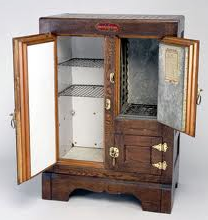
Photo of an ice box from Lucky Mojo Curio Company.
Around 1913 electric refrigerators started to be mass-produced. Aggressive sales tactics by the refrigerator companies contributed to the gradual demise of the icebox.