
Sugar or sucrose, is a simple carbohydrate that occurs naturally in every fruit and vegetable in the plant kingdom. It is the major product of photosynthesis, the process by which plants transform the sugar energy into food. Sugar occurs in greatest quantities in sugar cane and sugar beets from which it is separated for commercial use. Learn about the different type of sugar available.
When it comes to baking, sugar is one of the most important ingredients used in recipes. Sugar is an integral part of the baking process. When making homemade breads, sugar feeds the yeast that provides the rise of the bread.
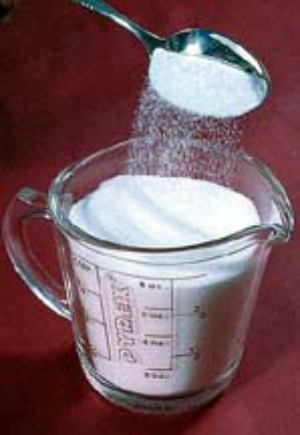
White Sugar:
There are many different types of granulated sugar. Some of these are used only by the food industry and professional bakers and are not available in the supermarket. The types of granulated sugars differ in crystal size. Each crystal size provides unique functional characteristics that make the sugar appropriate for a specific food’s special need.
Bakers Special Sugar – The crystal size of Bakers Special is even finer than that of fruit sugar. As its name suggests, it was developed specially for the baking industry. Bakers Special is used for sugaring doughnuts and crumb texture.
Castor/Caster Sugar – Spelled both “caster” and “castor.” The spelling castor sugar used to be the prevailing one, but caster sugar seems to be more usual now, perhaps because it is used by some sugar manufacturers on their packaging. See superfine sugar. UK castor/caster sugar is very finely granulated sugar (finer than U.S. granulated sugar) which allows it to dissolve almost instantly. In the United States, superfine sugar or the new Baker’s sugar may be substituted. It is called “berry sugar” in British Columbia.
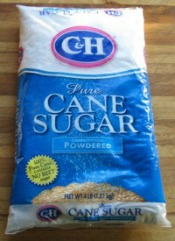
Confectioners or Powdered Sugar – In Canada and Great Britain (England) it is called icing sugar and in France sucre glace. This sugar is granulated sugar ground to a smooth powder and then sifted. It contains about 3% cornstarch to prevent caking. Powdered sugar is ground into three different degrees of fineness. The confectioners sugar available in supermarkets – 10X – is the finest of the three and is used in icings, confections and whipping cream. The other two types of powdered sugar are used by industrial bakers.
Coarse Sugar – Also known as pearl or decorating sugar. As its name implies, the crystal size of coarse sugar is larger than that of “regular” sugar. Coarse sugar is recovered when molasses-rich, sugar syrups high in sucrose are allowed to crystallize. The large crystal size of coarse sugar makes it highly resistant to color change or inversion (natural breakdown to fructose and glucose) at cooking and baking temperatures. These characteristics are important in making fondants, confections and liquors.
Date Sugar – Date sugar is more a food than a sweetener. It is ground up from dehydrated dates, is high in fiber. Its use is limited by price and the fact it does not dissolve when added to liquids.
Fruit Sugar – Fruit sugar is slightly finer than “regular” sugar and is used in dry mixes such as gelatin and pudding desserts, and powdered drinks. Fruit sugar has a more uniform small crystal size than “regular” sugar. The uniformity of crystal size prevents separation or settling of larger crystals to the bottom of the box, an important quality in dry mixes.
Granulated Sugar – Also called table sugar or white sugar. This is the sugar most known to consumers, is the sugar found in every home’s sugar bowl, and most commonly used in home food preparation. It is the most common form of sugar and the type most frequently called for in recipes. Its main distinguishing characteristics are a paper-white color and fine crystals.
Sugar Cubes – They are made from moist granulated sugar that is pressed into molds and then dried.
Maple Sugar – Granulated maple sugar (also known as stirred sugar or Indian sugar) is prepared by heating maple syrup until the temperature is 45˚ to 50˚F (25˚ to 28˚C) above the boiling point of water. It is then allowed to cool to about 200˚F (93˚C), and stirred either in the cooking vessel or in an appropriately sized container until granulation is achieved.
Raw Sugar – It is essentially the product at the point before the molasses is removed (what’s left after sugarcane has been processed and refined). Popular types of raw sugar include demerara sugar from Guyana and Barbados sugar, a moist, fine textured sugar. Turbinado sugar is raw sugar that has been steam cleaned to remove contaminates., leaving a light molasses flavored, tan colored sugar.
Sanding Sugar – Also known as coarse sugar. A large crystal sugar that is used mainly in the baking and confectionery industries as a sprinkle on top of baked goods. T he large crystals reflect light and give the product a sparkling appearance.
Superfine, Ultra Fine, or Bar Sugar – This sugar’s crystal size is the finest of all the types of granulated white sugar. It is ideal for delicately textured cakes and meringues, as well as for sweetening fruits and iced-drinks since it dissolves easily. In England, a sugar very similar to superfine sugar is known as caster or castor sugar, named after the type of shaker in which it is often packaged.
Brown Sugar:
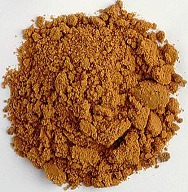 Brown Sugar (light and dark) – Brown sugar retains some of the surface molasses syrup, which imparts a characteristic pleasurable flavor. Dark brown sugar has a deeper color and stronger molasses flavor than light brown sugar. Lighter types are generally used in baking and making butterscotch, condiments and glazes. The rich, full flavor of dark brown sugar makes it good for gingerbread, mincemeat, baked beans, and other full flavored foods.
Demerara Sugar – Popular in England, Demerara sugar is a light brown sugar with large golden crystals, which are slightly sticky from the adhering molasses. It is often used in tea, coffee, or on top of hot cereals.
Muscovado or Barbados Sugar – Muscovado sugar, a British specialty brown sugar, is very dark brown and has a particularly strong molasses flavor. The crystals are slightly coarser and stickier in texture than “regular” brown sugar.
Free-Flowing Brown Sugars – These sugars are specialty products produced by a co-crystallization process. The process yields fine, powder-like brown sugar that is less moist than “regular” brown sugar. Since it is less moist, it does not clump and is free-flowing like white sugar.
Turbinado Sugar – This sugar is raw sugar which has been partially processed, where only the surface molasses has been washed off. It has a blond color and mild brown sugar flavor, and is often used in tea and other beverages.
Liquid Sugar:
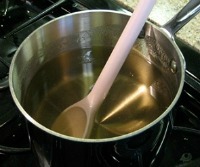 Liquid Sugars – There are several types of liquid sugar. Liquid sugar (sucrose) is white granulated sugar that has been dissolved in water before it is used. Liquid sugar is ideal for products whose recipes first require sugar to be dissolved. Amber liquid sugar is darker in color and can be used in foods where brown color is desired.
Also know as Simple Syrup, Bar Syrup, and Rock Candy Syrup, is nothing more than water and sugar. This is the secret ingredient to the best cold homemade beverages, cocktails, and other drink recipes. Using Simple Syrup, you can make as small or as large a batch as you wish and store it in the refrigerator in a well sealed bottle.
Invert Sugar – Sucrose can be split into its two component sugars (glucose and fructose). This process is called inversion, and the product is called invert sugar. Commercial invert sugar is a liquid product that contains equal amounts of glucose and fructose. Because fructose is sweeter than either glucose or sucrose, invert sugar is sweeter than white sugar. Commercial liquid invert sugars are prepared as different mixtures of sucrose and invert sugar. For example total invert sugar is half glucose and half fructose, while 50% invert sugar (half of the sucrose has been inverted) is one-half sucrose, one-quarter glucose and one-quarter fructose.
Invert sugar is used mainly by food manufacturers to retard the crystallization of sugar and to retain moisture in the packaged food. Which particular invert sugar is used is determined by which function – retarding crystallization or retaining moisture – is required.
One Response to “Sugar – Types of Sugar”
Arleaux
Extremely helpful site! Thank you so much!