
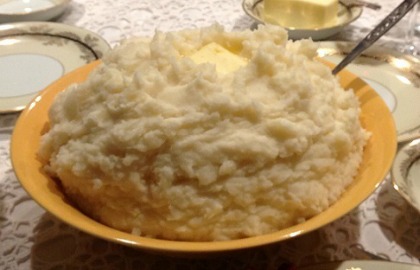
Perfect Mashed Potatoes are so very simple to make – but still there is a real art in getting them perfect. Not too airy or too heavy, with just enough butter, salt, pepper, and cream.
This is the best mashed potatoes recipe and is perfect for your Thanksgiving and Christmas dinners. This recipe is classic, simple, and perfectly fits the season. What could go better with Turkey than cranberry sauce and some mashed potatoes?
Potatoes are basically water and starch. High starch potatoes like russet and Yukon Gold produce the best mashed potatoes. The final result depends on the quality of the potatoes used. The below technique will produce the best mashed potatoes.
Find out about Potato Hints, Tips, and Information, Sweet Potato Tips or History of Potatoes.
For a great holiday mashed potato recipe, check out Make-Ahead Mashed Potatoes. Also check out my Thanksgiving Turkey Dinner Menu.
-
In large saucepan, add cut-up potatoes, 1/2 teaspoon salt, and just enough cold water until potatoes are covered; bring to a boil. Reduce heat to medium; cover and let simmer 15 to 20 minutes or until potatoes are tender when pierced with a fork. Potatoes are done when the internal temperature registers approximately 200 degrees F. on your cooking thermometer.
-
While potatoes are cooking, either in another saucepan or microwave, heat butter. Also heat hot milk or saucepan or microwave. NOTE: Do not add cold butter or cold milk/cream when making mashed potatoes.
-
When the potatoes are cooked, remove from heat and immediately drain potatoes thoroughly in a colander. Return to saucepan; heat over medium-low heat approximately 1 to 2 minutes to dry potatoes, stirring occasionally. NOTE: Boiled potatoes left in water will start to jellify and may even increase in volume, becoming swollen and watery. That is why it is important to let the potatoes drain for a couple of minutes in a colander immediately after they are cooked.
-
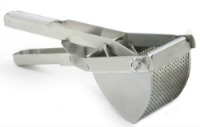
In the same saucepan that the potatoes have been heated in, mash potatoes with a potato masher, potato ricer (do not use your electric mixer) until there are no lumps. Stir in warm butter, remaining 1/2 teaspoon salt, and 1/2 cup of the hot milk. Add additional milk, a little at a time, if necessary, for desired consistency.
-
 Gluey or gooey mashed potatoes are caused by vigorous over mashing, as anyone who has tried to make the side dish in a food processor can attest. When potatoes are boiled, their starch granules swell. If those granules are broken too vigorously, the cells release copious quantities of starch, resulting in a potatoes with the consistency of wallpaper paste.
 -
I personally use a potato ricer when making mashed potatoes. Using a potato ricer, you can make velvety smooth mashed potatoes right at home because potatoes come out fluffy without being gummy. Once you use the potato rice, you will never go back to the old traditional potato masher. If you don't have one and would like to purchase a potato ricer, just click on the green link.
-
Season to taste with additional salt, if desired. Serve immediately.
-
Potluck or traveling tip for prepared mashed potatoes: Potluck dishes seem to cool off quickly. To keep your prepared mashed potatoes warm, place them in an attractive insulated ice bucket. The ice bucket will keep the mashed potatoes warm until ready to serve.
-
Makes 4 servings.
* Do not cut the potatoes into smaller chunks as too much water will be absorbed by the potatoes. After cutting the potatoes, immediately place in cold water to prevent discoloration of the potatoes.
** Buttermilk may be substituted.
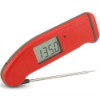 I get many readers asking what cooking/meat thermometer that I prefer and use in my cooking and baking. I, personally, use the Thermapen Thermometer. Originally designed for professional use, the Super-Fast Thermapen Thermometer is used by chefs all over the world. I only endorse a few products, on my web site, that I like and use regularly.
You can learn more or buy yours at: Super-Fast Thermapen Thermometer.
Sponsored Content
Additional Mashed Potato Recipes:
Make-Ahead Mashed Potatoes
Microwave Mashed Potatoes – 10 Minute Mashed Potatoes
Smashed Potatoes
Browned Butter Smashed Potatoes with Butternut Squash
Comments and Question by readers:
Question:
What causes mashed potatoes to become gooey and how can I prevent this from happening?
Question:
Help! I’ve been making mashed potatoes all my life and have never had the problem I had today. I just made 5 pounds of mashed potatoes, using a ricer, and for the first time ever I ended up with gluey mashed potatoes. My ingredients were identical to what I always have used (potatoes, melted butter, scalded milk, salt and pepper) but as soon as I added the butter to the riced potatoes, the potatoes became gluey. I tried to save them by using a blender and thinning with the milk but the problem intensified. Is there any way to save the potatoes or do I have to start over? Please answer as soon as possible. I have company coming tomorrow for dinner and time is of the essence.
Answers:
Russet or Yukon Gold potatoes make the best mashed potatoes. Peel them and cut into equal-sized pieces. Boil and drain. Dry over low heat for a few minutes. Mash with a potato masher, potato ricer, or an electric beaters. Do this very quickly so the potatoes will remain hot.
Note: Gluey or gooey mashed potatoes are caused by vigorous over mashing, as anyone who has tried to make the side dish in a food processor can attest. When potatoes are boiled, their starch granules swell. If those granules are broken too vigorously, the cells release copious quantities of starch, resulting in a potatoes with the consistency of wallpaper paste.
Never use a blender or food processor to make mashed potatoes. There are starch packets inside the potato cells and the blender blades rip right through them, releasing the starch and this makes the potatoes into library paste. The cells of the potato flesh contain a very fine starch. Mashing gently leaves most of the cells intact. Processing in a blender or a Food Processor acts like a cell homogenizer and releases all that starch into the liquid. Adding any liquid early just makes the process more efficient.
Add one tablespoon butter (more or less if you like) for each two potatoes, and salt to your taste. Beat until the butter is melted. Then add milk or light cream that has been heated but not brought to a boil (if you add cold liquid, the potatoes will be cold and gummy). Beat the liquid into the potatoes to make a smooth, fluffy mixture. Add only enough liquid to make the mixture smooth, about one tablespoon for each potato. Do not over beat. they should be soft and moist, but firm enough to hold their shape.
All this should be done as quickly as possible so the potatoes never have a chance to get cold – that is the secret of delicious mashed potatoes!
Mashed Potato Variation Ideas:
Here are some mashed potato variations – start with my Perfect Mashed Potatoes (see above) then add additional ingredients, that you desire, below:
Bacon Mashed Potatoes – Cook 1/2 pound chopped bacon until crisp; remove from heat and drain (discarding the bacon grease). Fold bacon bits into the mashed potatoes.
Blue Cheese-Walnut Mashed Potatoes – Brown 4 tablespoons butter with 1/2 cup chopped walnuts, 2 tablespoons chopped rosemary leaves, 1/2 teaspoon salt, and a pinch of sugar. Crumble some blue cheese over the mashed potatoes and drizzle with the nut mixture.
Cauliflower Mashed Potatoes – Cook chopped cauliflower in a separate pot of salted water and puree in a food processor when done. Stir into the mashed potatoes.
Cheddar Cheese Mashed Potatoes – Add 1/2 pound grated sharp cheddar cheese and 1/4 cup minced green onions. Fold into the mashed potatoes.
Chipotle Mashed Potatoes – Fold in 1 tablespoon chopped chipotles in Adobo sauce. Garnish with chopped green onions and chopped fresh cilantro.
Vegan Mashed Potatoes – Use soy, coconut, or almond milk instead of cream and a soy-based margarine.
Caesar Mashed Potatoes – Omit butter and oil; add cup thick Caesar Dressing and cup (50 ml) freshly grated Parmesan cheese before beating.
2 Responses to “Perfect Mashed Potatoes Recipe”
Maura Cramer
made perfect mashed potatoes for the first time ever! Thanks for the detailed tips.
Julie
When you drain the potatoes, save the water and use it to with dry milk to make the hot milk to add to your mashed potatoes.