
Secrets of Making a Perfect Fruitcake
From the cookbook called A World of Baking by Dolores Casella

On the quest to make the perfect fruitcake? Your homemade fruitcake should be made well in advance of the time that they will be used. One month of storage is a necessity. Two, three, or even four months is not too long a time if the storage facilities are cool and dry.
Fruitcakes freeze very well. However, they must be aged at least four weeks before freezing, as they do not mellow while they are frozen.
Take several days to make your cake or cakes. prepare the nuts and fruits, pour the liquor to be used over them, and let the mixture stand well covered for two or three days. Then make the batter and bake your cakes. The cakes will be better and the pressure in a busy household will be eased.
Always bake fruitcakes at a low temperature, no higher than 325 degrees and preferably much lower. Line the pans with brown paper or waxed paper to prevent the cakes from burning during the long baking time. Always place a pan of hot water on the floor of the oven. This prevents the cakes from drying out. Test for doneness with a cake tester inserted in the center of the cake. It will come out moist, but not doughy, when the cake is done.
Cool fruitcakes on a rack in the pans in which they were baked. When cakes are cooled, turn them out of the pans and carefully peel off the paper. If you are not decorating the cakes before storing them, wrap them in cheesecloth. Sprinkle liberally with whatever liquor or wine was used in the recipe. Seal the cakes in plastic wrap or in plastic storage bags. Once a week, brush the cakes with more liquor.
Perhaps the most important, do not feel absolutely bound by a recipe:
If the recipe calls for brandy and you don’t have it (or like it), use wine or even a fruit juice of your choice.
If the recipe calls for citron and you don’t care for citron, substitute another candied or dried fruit.
If you do not like raisins, use more chopped dates and fewer raisins.
If the recipe calls for particular amounts of candied pineapple and cherries, the same weight of a fruit mix may be used. The important thing to keep in mind is that the weight of fruit and nuts should be approximately the same as in the original recipe.
Within this boundary, you can make substitutions of your own choice.
Additional Tips and Hints for Perfect Fruitcake:
Use fresh good quality ingredients – make sure spices are fresh.
Soak fruit and nuts at least overnight in fruit juice or liquors to soften, drain and use excess liquid in recipe.
Dredge fruit and nuts with some flour so they won’t sink in batter. Shake off excess flour and use in the recipe.
If changing pan sizes, remember baking time will be altered in the recipe. Fruitcakes may be baked in muffin tins, disposable pans, etc.
Be sure to grease and flour pans or use greased brown paper for liners. Greased wax paper is also used in some recipes.
Place a pan of water on rack or on the oven floor below the baking cake.
If cake is browning too fast, place a sheet of foil the top of the cake.
Test for doneness by placing a metal/wooden skewer in center of cake. If it comes out clean, cake is done. Be careful not to over bake.
Always cool fruitcakes completely in pan and remove when cold.
Pour or brush some liquor of choice over hot cakes for good flavor. Poke cake with skewer if desired.
Fruitcakes taste better with age! This is called “ripening.” Liquor based cakes may be stored several months in advance in a cool place prior to serving. Non-liquor soaked cakes may be kept in a cool place or in refrigerator for short term storage or a or freezer for long storage. Be sure to ripen fruit cakes a few weeks before freezing.
To store for a long period of time, wrap the cake in brandy or wine-soaked towels, and then wrap in either plastic wrap or aluminum foil.
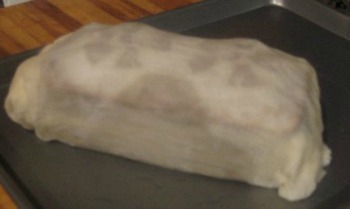
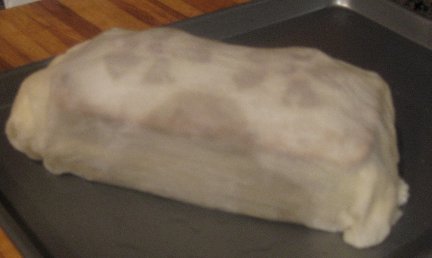
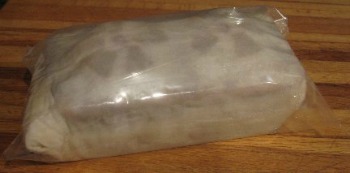
For very long storage, bury the liquor-soaked cake in powdered sugar and place in a tightly covered tin in a cool place (fruit cakes can be enjoyed as long as 25 years this way.) Check liquored-soaked cakes periodically and re-wrap in liquor soaked cloth.
Frost cakes close to serving time (not ahead of time). Use a sugar-syrup glaze to brush on cakes for a shine and to adhere.
Slice cakes in a sawing motion with sharp thin blade of knife or a serrated knife.
Add 1 cup of applesauce to your fruit cake recipes to make a moister fruitcake.
Re-freshen stale (old) fruitcakes by gently heating pieces (microwave or steamer) and serve with a hard sauce, brandy sauce, glaze or desired topping.
 More Delicious Fruitcake Recipes:
Regal Fruitcake
Fruit cake lovers will delight in this delicious homemade fruitcake. Just like the fruitcakes that my Mom and Grandma made every Christmas season.
Elsie’s Blue Ribbon Fruitcakes
Elsie was a wonderful woman who went to our church. Every year, she made the most delicious fruitcakes and would sell them during the Christmas season at a bazaar she held. She always made 24 or more cakes every year. They always sold out! I always bought several of these fruitcakes from her each year.
Vanilla Wafer Fruitcake
A friend left this for me on my desk – i don’t know where it came from, but surely do enjoy it! My husband loves it so much that I bake it in the form of cupcakes all year long.
Dresden Stollen
This is the Dresden Stollen that is served in my home at Christmas time. This recipe was used by my mother, grandmother, and generations before them. I hope it will become a part of your holiday tradition too.
63 Responses to “Secrets for Perfect Fruitcake”
Kayla
Hi,
I am making a fruit cake for the first time using my grandmother’s partial recipe (a lot got lost in translation) as a surprise for my father’s birthday. I started the cake about 3 weeks ago and have been marinating it in blackberry wine once a week. The cake seems overly soggy and is definitely dripping whenever I take it out every week. I have about two more weeks before it is time to serve it. What should I do to dry out the cake? Should I stop pouring the wine over it at this point, set it outside of the fridge so it can air out, or anything?
Any suggestions you have would be much appreciated.
Thanks.
Kayla
Linda Stradley
Hi Kayla,
Fortunately, I have never had this problem. I did some research on the internet and came up with these ideas.
1. Undercooked fruitcake cannot be re-cooked. It can be used as the basis of mini Christmas Pudding.
2. Cut out the soggy center.
3. Sometimes if fruit cake has not cooled sufficiently and is wrapped up it can cause a slimy wettness. If your cake is not slimy it should be fine. Leave the cake unwrapped for a few hours, if it is fresh alcohol it will disperse.
4. I have read that I should freeze my fresh fruit cake over night to help it mature a bit faster and to cut easier?
5. A chat forum on your problem: Fruitcake problems
Pamela Byars
Linda Stradley , My Mother and grandmother always made fruit cake at Christmas.My Mother also use blackberry wine (MOgan David) mixed with some sugar. do you have the recipe for the soak?
Whats Cooking America
Any fruitcake recipe that calls or liquor or fruitjuice can be substituted with blackberry wine. The Secrets to Perfect Fruitcake page, has links to a few different great fruitcake recipes to try out.
Bob
Hey, Kayla: hopefully, you aren’t POURING fluid on that cake. Instead, simply take the time to brush on whichever alcohol you use. I prefer brandies. Use a clean brush and brush on maybe 1/2 cup at a time. Brush on more alcohol per your schedule, but maybe take it easy on a soggy cake.
I know this reply is dated, but perhaps it will help others.
Joanna
This might sound silly but which part of the oven do you bake a fruit cake? Top, bottom to middle? If never been taught how to bake so I have been teaching myself through cookbooks, internet and research. Also repeating again and again until you get it right. There have been a few times that the result was totally uneatable and ended up in the garbage but a few hints for baking a fruit cake would be much appreciated. Thank you.
Linda Stradley
Normally, have your rack adjusted to the middle position. this works fine for most cooking and baking situations. Certain situations benefit from varying the position. Check out this interesting article on Oven Rack Positions. Also read my web page on Secrets Making Perfect Fruitcake.
Lucinda
Not to be mean, but for your benefit Joanna, “inedible” means not fit for consumption.
Kathy Gleason
After a few decades of not baking fruit cake, I am all set for this holiday season. (Retirement and baking are a happy couple.) Using a new recipe with dried fruit rather than candied and have decided to use Bundt pans rather than loaf. How can I keep the design of the pan while lining it with paper? Great to see someone else who knows Delores Casella. Her books on bread and baking were my first purchases when I set up my own kitchen over 40 years ago.
Linda Stradley
Most shaped pans and pans with designs are made to be nonstick. It is generally a good idea to oil and flour them to help ensure that you get the cleanest release on your cake to preserve as much of the original design as possible. If you line you pan with paper, you will lose the design.
Ilovefruitcake
If you want to keep the shape or design of the pan you are using when lining, first grease the pan then line the pan with foil . press the foil and smooth against the greased pan. Now you must grease the foil too before you pour in the batter.
Audrey Wylie
I am using a very old recipe and have a question. The recipe has candied pineapple, cherry, etc. and lots of pecans.
The tube pan I am using is a non-stick and the cone and bottom of the pan lift out. Do you think it is necessary to use Crisco with pieces of a paper bag, as well as flouring the pan. Thanks much.
Linda Stradley
I probably would also line this pan to be safe.
Min
Can i use black treacle instead of apple sauce to make the fruitcake more moist?Thanks.
Linda Stradley
Black treacle is an extremely thick, dark, sugar syrup containing cane molasses.
kim
Which wine can I use to bake a fruit cake? be specific please
Linda Stradley
Use your favorite wine that you like to drink.
Stephenie
Hi!! I had make the fruit cake once but i feel the cake too sweet and a little bit dry when I cut it a lot of crumb dropping down. It could not cut nicely. I saw you mention can be added 1 cup of apple sauce to get it moist, in my country I don’t have apple sauce here. Can I use granted apple? Is that will too wet for the cake? Another question is: You mean to make the cake moist is to put water bottom of the cake? Is that you mean water bath bake?
Mary Ann wiggins
Place a pan of water on bottom rack or floor of oven while cake is baking. “Keeps it moist.”
Silvana Caruana
Why all my fruit goes at the bottom of the cake after baking pls
Linda Stradley
Tip: After measuring the flour, but before mixing it into the batter, use the flour to toss with the dried fruit and nuts.
Debbie
How can I soften the dried fruit some what making fruit cake for older person.I have made this for many years for him. He can’t handle the dried fruit anymore to chew. Have looked at idea’s just don’t know what will work. Help please!!
Julie
Soaking the fruit for a few days or overnight makes it moist. My family would soak it for weeks, however, I do not think this is necessary.
Laura Golden
If you flour your fruits and nuts, they should then not sink into the bottom of your batter. We mix ours in all of the dry ingredients before adding in the wet ingredients.
AileenCMM
Hi Linda,
I have wrapped my fruit cake in a cheesecloth and I will open it up again next week to put more liquor…should I use new cheesecloth for re-wrapping or could I use the old one that I first used? I look forward to hearing from you at your earliest convenience…Thank you…
Linda Stradley
Just rewrap in the cheesecloth you have been using.
Linda P
Hi Linda – could you tell me where to buy the waxy, cardboard collar I see in the picture of your cake? I assume you bake the cake in that?
Thank you so much!
Whats Cooking America
To store for a long period of time, wrap the cake in brandy or wine-soaked towels, and then wrap in either plastic wrap or aluminum foil. The picture shows plastic wrap over wine-soaked towels.
Miz Whip
If I leave my cakes in paper baking pans, what is the best way to:
1) soak with brandy
2) keep them moist for a long time
thanks!
Linda Stradley
I have never used these paper baking pans and honestly do not know about them. Here is a link to a forum that discusses using paper loaf pans that might help you: Using Paper Loaf Pans
Bernie
I am from Canada and I usually boil my Fruits do I still need to soak it overnight or for two days. Also would I need to add applesauce to my cake? To make it moist…what temp should I bake? Can I use whisky instead of brandy, rum or wine?
Please also let me know if I can bake and feed this cake too? As I have never done this before.
Thank you,
Bernie
Crystal
I used bourbon and whiskey in mine. First time trying it’s still in the oven. What does it mean when u say toothpick should be moist
Nancy
To test for doneness you want to push a toothpick into the fruitcake and it should still come out with some sticky residue on. The fruitcake will continue setting up as it cools and you want a moist fruitcake. If you tooth pick, after insertion into fruitcake, comes out dry, no residue, the fruitcake is overcooked.
Mary Austin
I would like to buy a fruitcake from you the old fashion kind
Marie
What is the cause for my Fruitcake to crumble when I try to cut it?
Linda Stradley
(1) Over cooking the fruitcake can cause this problem.
(2) If the fruit in the cake is too large, the cake will crumble when slicing. Also, if the fruits you use are too dry, they will absorb a lot of moisture from the batter during baking. Do not use last-year’s fruit that you have save. Purchase a new batch every year.
(3) Not using proper measuring utensils and cause a dry fruitcake. Always use liquid measuring cups for the liquids and dry measuring cups for the dry ingredients to ensure accurate measurements. Always lightly spoon the flour into the dry measuring cup.
Use a serrated blade knife when slicing your fruitcake. Check out this interesting Sweet Success web page on How To Cut A Fruitcake
If your fruitcake is not dry, but still will not cut cleanly, try refrigerating it just before slicing with a sharp knife. Please do not store you fruitcake in the refrigerator as it may cause the sugars to crystalize.
Jackie
with what do i stick my glazed fruit on top of my fruit cake ?
Terry
I live in the South, so the red flag that goes up for me when reading about 3-4 months (or even more than a few days) of storage at room temperature is MOLD. Maybe it wouldn’t be as much of a danger in the fall and winter when humidity is down, but I’m surprised that the possibility isn’t even addressed, here or elsewhere. Does brushing the cake with liquor prevent this? What about recipes that call for just a simple syrup or fruit juice – which is what I’ll be doing as the recipient doesn’t consume alcohol? In this case the cake will only be stored for a few days and the weather is very dry right now, but if I want to try doing this “properly” in the future I’ll need assurances that I won’t be unwrapping a moldy fruitcake when it’s time to eat it.
Gina reina Montellanoj
I am using glazed fruits for my fruitcake. Should I drain the syrup before soaking the fruits in wine/brandy or should I include the syrup?
Joan
I have baked and iced a delicious rich fruit cake for over 30 years now. I would like to try decorating with fruit and nuts this year…my question is do I glaze the fruit and nuts once I have finished the decoration? Thank you to all you clever bakers xx
Carol Pietersen
I noticed that you did not reply to Joan when she enquired about glazing the fruit and nuts once they re decorated. I would like to know if the nuts stay fresh after decorating the cake, once they re glazed. Thank you very much. Happy baking.
Wendy
Hi… When my boiled fruit is tested with wooden long tooth pick it comes out clean… but they are still very moist… what is too moist….. lovely to eat, but I wonder if I am putting to much liquid… any hints… I don’t like a dry flakey cake… Thank you..
pam howden
what cause fruit cake top to crack
Patricia
I have made my daughter’s fruitcake wedding cake for her wedding on June 8/19. Wondering how far in Advance I can icing the cakes that will be cut into small pieces and wrapped individually for each guest. I was planning on using marzipan and the fondant. Just don’t want to leave too close to the wedding day as I will be busy decorating the display fruitcake layers a few days before the wedding. Thanks
Arzoo Chaudhary
Wow, I was looking was this and finally found it here.
thank you for sharing such tips and a valuable content to read. Now next time I will remember these things.
Maxine
I soak my fruitcake with 1 cup of rum before wrapping but it is still not moist after a week help
Diane
Terry,
Growing up in the Deep South my mama baked fruitcakes every year. It was a day long process but one I loved with her. After fruitcake was cooled, she used a freshly washed new cheesecloth to wrap it with, She would slice fresh apples putting these on the cheesecloth. A small amount of Morgan David blackberry wine dribbled over cheesecloth. We used a metal container with a lid, stored it,in a cool place. (Unused Cabinet) about once a week,she added a little more wine. We never had a problem with mold on the fruitcake. Hmm,maybe too much moisture would cause that and not being kept in a really cool place. Happy eating!
Agen Togel Terpercaya
WOw!!!, amazing, this is exactly what i always to do
Nancy
Thanks for visiting What’s Cooking America and have a Merry Christmas!
Nancy
Michael
I have read that fruitcake cured properly in alcohol can then be buried in powdered sugar for up to 25 years. Such a neat idea. Does anyone have any experience with very long term fruitcake storage? Is it buried in sugar in the liquor soaked wrapping or does the whole thing get double wrapped in foil or plastic wrap too?
Susie Stratas
Do I need to rinse the glazed cherries and citron before adding them to my Christmas cake> If so then do I dry and refrigerate them? Can I soak them in Peach Schnapps and if so do I need to rinse and dry them? Can I use white parchment paper to line my pans or is brown paper best ?Love your site! Much thanks Susie
Bobbie
I baked a fruit cake using a recipeI have used a few times before. It is always dark but for some reason this time it is pale. The only thing I did differently was I added blanched almonds which aren’t in the recipe. What would this happen? Thanks. Bobbie
Rebecca Hudson
We use my grandmother’s light fruitcake recip, the cake is similar to a pound cake flavored with 2 oz of lemon extract plus candied cherries, pineapple, dates, golden raisens, pecans and sometimes craisens. Soak in orange juice never alcohol (Southern Baptist roots) or glaze while aging with melted apricot jelly.. wrapping in plastic wrap and foil. We traditionally make it the weekend b4 Thanksgiving.
Beryl
The age old trick to making a fruit cake as dark as you want is something here in UK we call GRAVY BROWNING! It may sound disgusting but I can assure you it has absolutely no taste whatsoever… I’ve been using it for many years!
Sharon
My greatest fear…removing the fruit cake from it’s pan and it falls apart! I am getting ready to bake..I see let the cake completely cool before attempting to remove from the pan? How long to let cool? I use large pans similar to pans that are used for angel food cakes? Thank you!!
Lalita
Hi,
I soaked the dry fruits in sweet red wine + rum yesterday. It is in an air-tight glass jar and I intend on leaving it there for three weeks (it is day 2 today).
The top layer of the dryfruit- alcohol mixture looks dry, but the bottom is still visibly soaking in alcohol.
Should I add more alcohol so that all the dryfruit is covered in alcohol or should I just NOT add more, but stir every few days?
Please guide me; thank you.
Rebecca
My grandmother had pears, sometimes she would use that for applesauce and used blackberry wine or Manischewitz concord grape wine. She had the best fruitcakes, never hard and gooey.
Sandra
Turn the jar upside down several times over the course of marination time.
Kristen
I have a recipe that calls for 2 pounds of red and green cherries each, but I don’t like cherries, can I substitute with other dried fruits?
Norma Hunt
Hi Lalita add some more wine,and shake it up occasionally the fruit needs to absorb the moisture.
Lynn Brick
Can I substitute pan for two loaf pans? I actually wanted to ake several mini loaf pans, noted you made 90?
cakes, wow what size and how many times did you increase recipe?
Thanks Lynn
Cody Roberts
Yes , just keep the amount similar in other fruits, copped dates, currants, golden raisins and so forth. Volume is important here. If using dried fruit, highly recommend soaking at least a day to pump up the moisture while baking.
Deborah Willis
I left the flour out of my fruit cake. Cooked it a it’s a crumble mess. Any suggestions?