
How To Purchase, Devein, Brine, and Cook Shrimp
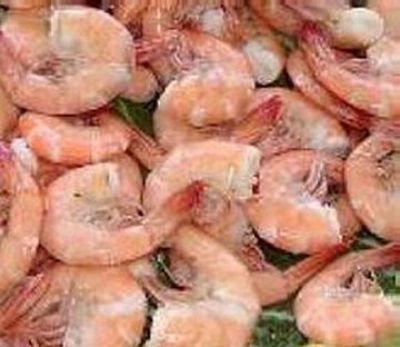
Each type or species of shrimp have their own characteristics with flavor, texture, cooking times, and a best cooking method for them. You have Gulf Shrimp, Farm Raised Shrimp, Tiger Shrimp, Imported Shrimp, and Cold Water Shrimp. In fact, there are over 300 species of shrimp in the world.
The flavor and texture of each type of shrimp are influenced by the waters they come from or are raised in, plus from what they eat or are fed. Wild shrimp feed on seaweed and crustaceans which gives them a more enriched flavor and thicker shells. The ability to swim freely also makes the meat firmer.
Shrimp are found abundantly in America, off the Atlantic and Pacific seaboards in inshore waters, wherever the bottom is sandy. Shrimp are in season from May to October and 95% of the shrimp caught come from the warm waters of the South Atlantic and Gulf states.
How To Purchase Shrimp:
Fresh shrimp is highly perishable! Fresh shrimp should ideally be eaten within 24 hours of purchase. Unless you live in the part of the country where you can actually buy “fresh” shrimp, it is best to buy frozen shrimp. Most shrimp in the grocery stores are frozen shrimp that has been thawed. The shelf like of thawed shrimp is only a couple of days, whereas shrimp stored in the freezer retain their quality for several weeks.
Fresh Shrimp: Avoid shrimp that smells of anything other than salt water. If there is any hint of the aroma of ammonia, it is a sign the shrimp is way past its prime. Truly fresh shrimp will have almost translucent flesh. Do not buy shrimp with black spots or rings (unless it’s black tiger shrimp) as this indicates the meat is starting to break down. Also avoid pink meat.
Frozen Shrimp: If possible, AVOID shrimp that has been peeled and deveined before freezing. It can cause a loss of flavor and texture (shells will help to protect the meat of the shrimp and add more flavor to it).
1 pound of raw shrimp in their shells = about 1/2 pound peeled and cooked shrimp.
Shrimp Sizes:
In the United States, shrimp are sold by count. This is a rating of the size and weight of the shrimp. The count represents the number of shrimp in a pound for a given size category.
Purchase shrimp by the count – not the size: This shrimp sizing chart is to be used for buying frozen or fresh Shrimp in the shell without the head on. All shrimp are sold by sizes, whether they are sold by the actual count or by a name such as jumbo or extra large. Shrimp will be labeled both ways to help you determine the size you are buying. For example a Jumbo Shrimp would have 21 to 25 shrimp per pound.
NOTE: The “U” in the first three shrimp sizes stands for under that many shrimp in a pound. For example U/10 would be under 10 shrimp per pound.
| Market/Trade Name | Shrimp Count (number) per Lb. | Avg. Shrimp Per Pound |
|---|---|---|
| Extra Colossal | U10 | 5 |
| Colossal | U12 | 9 |
| Colossal | U15 | 14 |
| Extra Jumbo | 16/20 | 18 |
| Jumbo | 21/25 | 23 |
| Extra Large | 26/30 | 28 |
| Large | 31/35 | 33 |
| Medium/Large | 36/40 | 38 |
| Medium | 41/50 | 45 |
| Small | 51/60 | 55 |
| Extra Small | 61/70 | 65 |
How To Defrost Frozen Shrimp:
Never defrost any type of shellfish at room temperature and it is best not to defrost them in the microwave either. Defrost shrimp either in the refrigerator or in ice cold water. Do not defrost in a warm place or microwave.
 How To Devein Shrimp:
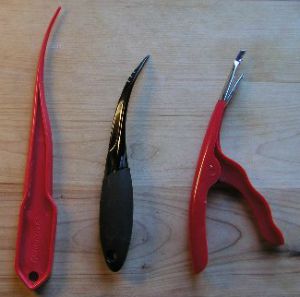
(Photo on right is of different types of shrimp deveiners that can be purchased.)
Should shrimp be deveined? The black “vein” that runs along the back of the shrimp is actually its digestive tract. These veins are in fact edible but if eaten they can taste gritty and dirty, particularly with larger prawns or shrimp. While it isn’t necessary to remove the vein, some people say the shrimp look and taste better when deveined. This is pretty much a question of aesthetics. Most cooks won’t bother deveining medium-sized or smaller shrimp, unless they look particularly dirty. You can see the vein through the shell and meat, so use your own judgment.
Deveining Shrimp: Shrimp cook well in or out of their shells, but they are easier to devein before cooking. Run the deveiner or the tip of a small knife down the back of the shrimp. This will allow you to remove the vein as it can be pulled out easily. You may remove the shell at this time or boil with shell on and remove after cooking. If frying, shell should be removed first. You can devein shrimp while leaving the shell on (the shell adds flavor and can protect the meat if you’re grilling the shrimp.)
How To Cook Shrimp:
 Shrimp can be cooking in a variety of way. They can be boiled, steamed, grilled, sauteed, baked, or deep-fried. They can also be cooked with or without the shell, with the vein or deveined.
Shrimp should always be cooked quickly in order to preserve their sweet, delicate flavors. They are very quick to cook, and the flavor can easily be ruined by overcooking. Most shrimp cook in as little as 3 minutes – when they curl and turn pink, they are done. Properly cooked shrimp are firm with a gentle curve shape (like the letter “C”).
Boiling Method: This is probably the most common method of cooking shrimp, particularly the smaller types. To properly boil shrimp:
- Place a pound of shrimp in a quart of rapidly boiling water with (3) three tablespoons of salt.
- Reduce the heat, cover the pan, and return to a boil. Let simmer until the flesh has lost its glossy appearance and is opaque in center (cut to test).
- Jumbo shrimp take about 7 to 8 minutes, large shrimp take about 5 to 7 minutes, and medium size are done in about 3 to 4 minutes.
- If your shrimp are to be used in a recipe and not eaten right away after cooking (such as grilling), they should be plunged into cold water to stop the cooking process. Do not let them cool in the cooking liquid. They will continue to cook and get tough.
Grilling Method: Grilling is a popular method for cooking larger shrimp. Smaller shrimp may also be grilled, but it is usually best to put them on skewers first.
Once the grill is hot place the larger shrimp or skewered smaller shrimp on the prepared grill, leaving room between each shrimp or skewer. Brush the prawns with a little olive oil and then sprinkle them with salt, pepper, and garlic. Grill for 3 to 4 minutes or until the prawns have turned pink, turning the shrimp and/or skewers once halfway through cooking time. Remove from the heat and serve.
How To Brine Shrimp:
Brining is very easy and economical, and requires no special cookware. Brining is like a marinade as it keeps food moist and tender. Brining or salting is a way of increasing the moisture holding capacity of shrimp resulting in a moister product when it is cooked. Brining is a process to be used if you want to put a little more “snap” to shrimp. Brining draws extra moisture out of the shrimp flesh, thus firming it’s texture. Brining turns potentially mushy shrimp into shrimp with a chewy texture similar to lobster tail. Brining can be used with either peeled and deveined raw shrimp or shell on raw shrimp.
Do not brine raw shrimp if they are to be used for poaching and other wet cooking techniques.
Kosher salt and table salt (without iodine) are the most common salts used in brining. Sea salt can be used, but it tends to be quite expensive. I usually use kosher salt. A cup of table salt and a cup of kosher salt are not equal. Table salt weighs approximately 10 ounces per cup and kosher salt weighs approximately 5 to 8 ounces per cup depending on the brand. If using kosher salt in a brine, you must use more than a cup to achieve the same “saltiness” you would get from a cup of table salt.
The chart below shows how to substitute the two most popular brands of kosher salt for ordinary table salt when brining.
Table Salt (without iodine) – 1 cup
Diamond Crystal Kosher Salt – 2 cups
Morton Kosher Salt – 1 1/2 cups
How long to brine raw shrimp: It is possible to end up with meat that’s too salty for your taste. To avoid this, brine on the low end of the time range on your first attempt. You can always brine longer next time, but there’s no way to salvage a piece of meat that’s been brined too long.
Shrimp (peeled) – 20 to 30 minutes
Shrimp (unpeeled) – 40 to 60 minutes
Brine for shrimp:
1/4 cup kosher or coarse salt
1/4 cup granulated sugar
1 cup boiling water
2 cups ice
Stir salt and sugar into boiling water until dissolved; pour into large bowl filled with ice; add up to 2 pounds raw shrimp. Let sit in the brine, refrigerated for 20 to 60 minutes (see chart above). Remove shrimp from brine and drain thoroughly. Rinse the shrimp thoroughly under cold water and dry on paper towels. Refrigerate the raw brined shrimp until ready to use in your recipe.
How To Freeze Shrimp (Raw or Cooked):
Select high-quality, fresh shrimp for freezing. Shrimp can be frozen cooked or raw, in or out of the shell. For maximum storage life and quality, freeze shrimp raw, with heads removed, but shells still on. Shrimp may also be frozen in water in a freezer container or wrap it well in plastic and place it in the coldest part of the freezer where it will keep for about one month.
Shrimp Etiquette:
Shrimp Cocktail: If large shrimp are served in a stemmed glass, pick them up with an oyster fork or whatever fork is provided and bite off a mouthful at a time, dipping into the sauce before each bite.
Large Shrimp: If large shrimp are served on a platter with sauce and no fork, pick up with your fingers, dip into sauce and put to your mouth. When eating shrimp with the tail still on, hold the shrimp by the tail and dip it into the sauce once. Eat it in one bite if it is not too large. Otherwise, eat it in two bites. Do not dunk the second bite into the sauce! T hen discard the tail as you would olive pits or toothpicks.
Deep-Fried Shrimp: Tail-on deep-fried shrimp is meant to be eaten with the fingers.
Skewered Shrimp: If eating shrimp on a skewer, slide the shrimp off onto a plate (even if it is a paper plate at a cook out). Skewered shrimp should never be eaten like a corn dog.
Oriental Dishes: When eating shrimp with the tail that are part of some oriental dishes or fried foods, remove the tail with a fork and set to the side of your plate or on a separate “discard dish” if one is provided.
6 Responses to “Shrimp Hints and Tips”
Jerry Davis
How to smoke shrimp?
Whats Cooking America
Smoke until the shrimp turns pink, but don’t overcook or it will be hard and rubbery.
Arlene
I found this article to be quite educational. Thank you.
Peggy
I fell in love with shrimp as a young teenager, when on my first camping trip to Florida we went shrimping at Sebastián Inlet. Most of your info is familiar, but you did add some tidbits of new knowledge regarding my overall favorite food! Thank you!
Frank Daddino
Very good
donna lee
Did you know Saltwater shrimp/prawns are already pink? you know when they are cooked they curl up. Freshwater shrimp/prawns are greyish and turn pink when cooked.