
How To Roast Thanksgiving or Christmas Turkey
Find all of our helpful tips and tricks for roasting whole turkey in our comprehensive Turkey Roasting Guidelines.
What type of whole turkey should you buy – Fresh or Frozen?
Do you know that a “frozen” turkey is fresher than a so called “fresh” turkey?
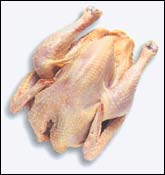 This is what my local favorite butcher told me. The so-called “fresh” turkeys have been sitting around for many, many days. From the processing, trucking to the grocery store, and then in the grocery store. These are not fresh turkeys!
His advice to to purchase a frozen turkey, as they are flash frozen immediately after being butchered. Frozen turkey are fresher turkeys!
The frozen turkey have been frozen immediately upon preparation. The so called fresh turkeys can sit in your store for days. I always buy a frozen turkey because of this.
Check out my articles on Turkey Terminology – Types of Turkeys and Guidelines for Oven Roasted Turkey.
Turkey Roasting Hints and Tips – Cooking a Turkey is Easy!
Roasting Pans:
Use a shallow turkey roasting pans. If you use a deep roasting pan, you wind up steaming the meat. If you do not have a good roasting pan, you should purchase one a good sturdy one with handles.
BEWARE of the aluminum foil disposable roasting pans as they are not sturdy enough to hold a large turkey and can buckle up when trying to remove the hot turkey from the oven. Most of these pans are not sturdy enough to carry a 12 pound or more turkey. They can buckle and cave in, and have been known to cause injuries by collapsing under the weight. Make sure your pan is sturdy enough to handle your large turkey safely.
Stuffing the Turkey:
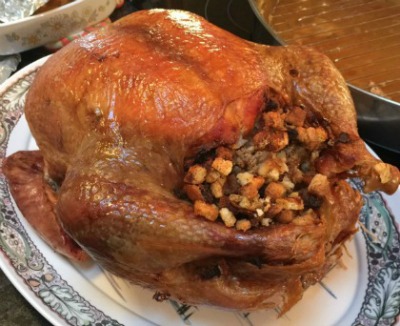
Do NOT stuff your turkey ahead of time as harmful bacteria growth could spoil the uncooked turkey. Just before roasting, stuff the body and the neck of the turkey.
Do not pack the stuffing/dressing in the turkey, as the stuffing will expand during cooking. If packed in too tightly, it will be very dense instead of light. Check out my articles Linda’s Favorite Turkey Stuffing and Advice on Stuffing a Turkey Safely.
Truss or Not to Truss:
You do not need to bother with complicated trussing. Instead, secure the legs by tucking the ankle joints into the pocket of skin at the tail end. Tuck wing tips back under the shoulders of bird (called “akimbo”).
Using kitchen twine or skewers, tie or truss the abdomen closed and the legs together close to the body so that the stuffing cooks evenly.
Roasting the Turkey:
Roast your turkey breast-side down on a v-shaped rack until the last hour or so in the oven, then turn turn the turkey to brown the breast, if desired. The result is a moister white meat. Usually my turkey is too big to turn over – so I don’t do this step!
- This is optional, but I like to rub some butter over the skin of the turkey before beginning the roasting. Vegetable oil may also be used, but I like the taste of real butter. This helps the skin brown.
- I also like to add 1 cup chicken broth/stock to the bottom of the turkey pan before beginning the cooking. This will create a steam room-type environment in the oven, which help keep the breast moist but will not prevent browning of the skin.
Basting the Turkey:
Basting during the roasting process is an unnecessary extra step. Basing in the last hour of roasting can actually turn a beautiful crisp turkey skin soft. Baste the turkey with accumulated juices from the bottom of the pan. If your turkey is browning too quickly, make a tent out of aluminum foil and place over the top of the turkey.
Three easy ways to baste a turkey:
- Use a Turkey Baster (bulb turkey baster)
- Use a basting brush
- Use a large spoon to scoop up the juices and drizzle over the turkey
Cooking Thermometers:
Never rely on the little plastic thermometer in some turkeys to pop out. If you wait for it, the turkey will overcook. Instead stick an instant-read thermometer several inches down through the skin between the thigh and the breast so the tip ends up about an inch above the joint. The turkey is ready when the thermometer reads 165 degrees F. Check out my web page on Using A Thermometer – Take The Guesswork Out Of Cooking.
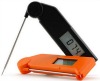 This is the type of cooking and meat thermometer that I prefer and use in my cooking. I get many readers asking what cooking/meat thermometer that I prefer and use in my cooking and baking. I, personally, use the Thermapen Thermometer shown in the photo on the right. To learn more about this excellent thermometer and to also purchase one (if you desire), just click on the underlined: Thermapen Thermometer.
Resting Time:
Let the cooked turkey “rest” after it have been removed from the oven.
While the turkey cooks, the juices are forced away from the heat to the middle of the turkey. Cover loosely with aluminum foil and let rest for 20 to 30 minutes after it is removed from the oven. This allows the juices to redistribute throughout the turkey. A moist turkey is easier to carve and very delicious.
After the turkey has rested, remove the stuffing/dressing and place in a serving dish.
Prepare your turkey gravy while the turkey is resting: Perfect Turkey Gravy.
Carve your turkey and serve. If you need your oven to reheat or cook side dishes, it is better to serve the turkey at room temperature with hot gravy than to reheat it. Reheating dries out the meat. The interior of a large turkey will stay quite hot for at least an hour.
Watch a video to learn how to carve a turkey
Using A Cooking Bag:
This is an easy way to cook your turkey. It keeps all the juices and flavors in the bag and the turkey is automatically basted while it cooks. You end up with more juices than the conventional way because they do not evaporate during roasting. The juices also do not burn and stick to the pan.
Check out Linda hints and tips on preparing your holiday turkey dinner:
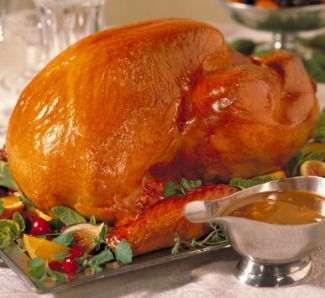 Turkey Terminology – Types of Turkeys
How To Roast A Turkey – Roasting Your Thanksgiving Turkey
Guidelines for Brining Poultry
Linda’s Favorite Turkey Stuffing
Advice on Stuffing a Turkey Safely
Using a Cooking or Meat Thermometer
Perfect Turkey Gravy
Gravy Making Tips
Make Ahead Mashed Potatoes
Advice on Handling Leftovers Safely
Let’s Make Turkey Stock
Barbecued Turkey
Cajun Fried Turkey
Oven Roasted Turkey
Smoked Turkey
Turducken
One Response to “Turkey Roasting Guidelines & Tips”
Teresa Johnson
Excellent clear advice on brining the turkey in preparation for cooking. Thank you!