Hot Chocolate Recipes
The Secrets of Making Hot Chocolate like a Professional
Anybody can make a cup of hot cocoa, but did you know that everyone can also make a delicious rich cup of hot chocolate?
The terms Hot Cocoa and Hot Chocolate are often used interchangeably, but technically they are as different as Milk Chocolate and bittersweet chocolate. Hot cocoa is made from cocoa powder, which is chocolate pressed free of all its richness, meaning the fat of cocoa butter. Hot chocolate is made from chocolate bars melted into cream. It is a rich decadent drink.
Read more on the Hot Chocolate History page.
All chocolate is not created equal. When shopping for your chocolate look at the label to find the percent of cocoa butter the chocolate contains. The cocoa butter is where all the flavor and texture is. The higher the percent of cocoa butter, the better the chocolate. The cooking or baking chocolate is usually found in a block or bar that are then shaved or chopped for use in cooking. Do not use Milk Chocolate as it is not suitable for use in making hot chocolate recipes.
Please visit the Chocolate Glossary for more information on types of chocolate.
Sugar: Another important element in the perfect cup of hot chocolate is the sugar. It is used for sweetening, adding volume, and texture to drinking chocolates. Although Granulated White Sugar (table sugar) is most commonly used for cooking, you will find that using the following sugars can add a new life to your drink:
Confectioner’s or Powdered Sugar: Melts fast and leaves no grain.
Brown Sugar: Adds butterscotch flavor.
Sucanat: Adds caramel flavor.
Muscovado Sugar: Adds depth to chocolate.
Time to Rest: After you make your hot chocolate, take a break and let it cool down before drinking. If you are a patient soul or a good planner, let it rest overnight. When the mixture cools down, the chocolate crystallizes and binds with the other ingredients resulting in a soft silky texture.
After it cools, reheat in a pan on a stovetop stirring often or in a microwave 30 seconds at a time stirring between each session until it reaches the desired temperature.
Frothing: To add texture and fullness mix vigorously with a wire whisk to produce a mass of small bubbles. The more air you can incorporate into the drink the frothier it will be.
 Tip: To reduce the calorie and fat of my drink, I like to have a nice layer of foam on top of my hot chocolate. I then use a non-fat or 1% milk and forego the whip cream and still enjoy a full texture when sipping my chocolate concoction.
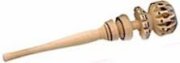
Remember you can use an immersion blender or the steamer on an espresso machine to build a foamy bed of sweet bubbles. If you are a traditionalist, try using a Spanish Molinillo, a wooden hand churn used to build the froth (see photo on right).
Whipped Cream: Basic Whipped Cream Recipe – Here is your chance to top your hot chocolate with a touch of heaven. A light, sweet fluffy cloud floating on the hot chocolate is the finale to a beautiful cup. Do not settle for processed canned whipped topping. Take a few minutes and blend your own real cream. Real whipped cream is rich and decadent and it’s flavor is very superior to that of its artificial counterparts. There is nothing better than a dollop of whipped cream to add a sweet finish to specialty drinks.
Do not reach for that frozen non-dairy topping at your grocery store. Homemade whipped cream is easy-to-make at home using a mixer or manual whisk in just a few minutes.
Hot Chocolate Recipes
There is nothing more alluring on a cold winter’s day than a savory cup of homemade hot chocolate! One of the season’s greatest pleasures.
Angelina’s Hot Chocolate Recipe:
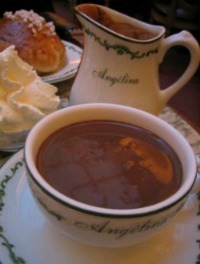 The Angelina Cafe in Paris, open since 1903, serves a thick hot chocolate version in demitasse cups with a tiny dollop of mascarpone and whipped cream. They are famous for making hot chocolate from melted chocolate bars. It is incredibly easy to prepare by mixing chocolate shavings with hot water. You can serve it in small cups or in 17th-century style chocolate pots and demitasse cups such as those sold in gourmet shops.
6 ounces fine-quality semisweet or bittersweet chocolate, chopped
1/4 cup water, room temperature
3 tablespoons hot water
3 cups hot milk, divided
Sugar to taste
Whipped Cream, if desired
In a double boiler over low heat, combine chocolate and 1/4 cup water until melted, stirring occasionally; stir until smooth.
Remove top of double boiler pan from. Whisk in 3 tablespoons hot water. Pour into pitcher or divide among individual 4 mugs. Either stir 3/4 cup hot milk into each mug or serve milk in a separate pitcher. Pass sugar and whipped cream in separate bowls; add to taste.
Makes 4 servings.
Chocolat Hot Chocolate Recipe:
Have you seen the movie, Chocolat? This is like the hot chocolate that was served in the movie. Hot Chocolate. Photo from Phoenix Magazine
 2 cups boiling water
1 chile pepper, cut in half, seeds removed (with gloves)
5 cups light cream or whole or nonfat milk
1 vanilla bean, split lengthwise
1 to 2 cinnamon sticks
8 ounces bittersweet chocolate or 3 tablets Mexican Chocolate, cut into 1/4-inch pieces
2 tablespoons granulated sugar or honey, or to taste
1 tablespoon almonds or hazelnuts, ground extra fine
Whipped Cream
In a large saucepan over medium-high heat, add chile pepper to boiling water. Cook until liquid is reduced to 1 cup. Remove chile pepper; strain water and set aside.
In a medium saucepan over medium heat, combine cream or milk, vanilla bean and cinnamon stick until bubbles appear around the edge. Reduce heat to low; add chocolate and sugar or honey; whisk occasionally until chocolate is melted and sugar dissolves. Turn off heat; remove vanilla bean and cinnamon stick.
Add chile-infused water, a little at a time, tasting to make sure the flavor is not too strong. If chocolate is too thick, thin with a little more milk.
Serve in small cups and offer ground almonds or hazelnuts and whipped cream.
Italian Hot Chocolate – Cioccolato Caldo Recipe:
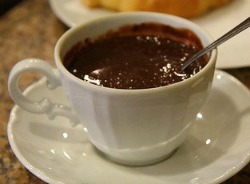 Italy is famous for their Cioccolato Caldo, especially during the fall and winter months. This hot chocolate is sometimes served so thick (like a pudding), that you need a spoon to actually eat it! This recipe does not make it that thick. The luxurious richness comes from using top-quality chocolate.
5 tablespoons Dutch-process Cocoa powder
2 tablespoons granulated sugar
6 ounces dark chocolate (at least 70% cacao solids), finely chopped
2 cups milk
In a small saucepan over low heat, add the cocoa powder, sugar, and 2 tablespoons of the milk. Heat until the sugar melts and no lumps remain, stirring well. Bring to a low boil, stirring constantly; add the remaining milk.
Turn off the heat, add the chopped chocolate, stirring until smooth.
Pour into serving cups and enjoy!
Makes 2 servings.
Hungarian Hot Chocolate Recipe:
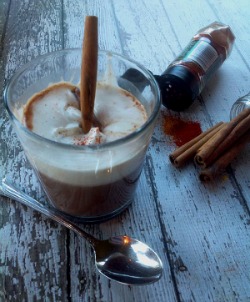
Enjoy a warming cup of Hungarian Hot Chocolate with hints of cloves, paprika and white pepper. The taste is uniquely delicious and satisfying.
4 cups milk (the higher the milk fat percent the richer the drink)
1 teaspoon finely-ground Hungarian hot paprika
1/2 teaspoon finely-ground white pepper
1/2 teaspoon ground cloves
5 ounces 72% chocolate, chopped
In a saucepan over medium-low heat, combine milk, paprika, pepper, and cloves. Heat, stirring constantly, until almost boiling. Reduce heat to low and remove the cloves. Add the chocolate and stir in to the milk mixture until the chocolate is melted.
Whisk briskly to build a rich froth and pour into warm mugs and serve.
Makes 4 Servings.
Tea Time Hot Chocolate:
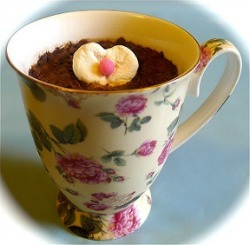 Also check out Ellen Easton’s delicious Hot Chocolate recipe that she serves for afternoon tea.
Mexican Hot Chocolate Recipes:
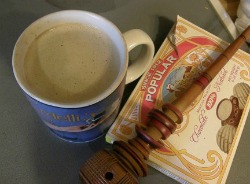 In central and southern Mexico, people commonly drink chocolate twice a day year-round. Having a layer of foam on hot chocolate is as important today in Mexico as it was in ancient times. Mexicans believe the spirit of the drink is in the foam. The chocolate is whipped to a froth with a carved wooden utensil called a Molinillo and served in mugs.
6 cups milk
1/2 cup granulated sugar
3 ounces unsweetened Mexican Chocolate, coarsely chopped
1 teaspoon ground cinnamon
1/4 teaspoon salt
2 eggs
2 teaspoons pure vanilla extract
Stick cinnamon (for optional garnish)
In a large saucepan, combine milk, sugar, chocolate, ground cinnamon, and salt. Heat, stirring constantly, until the chocolate has melted and the milk is very hot. (Do not let the milk come to a boil.)
Beat 2 eggs in a mixing bowl. Stir in one cup of the hot mixture into the eggs, then return this mixture to the saucepan. Cook 2 to 3 minutes more over low heat, still stirring.
Remove from heat. Add vanilla. Beat with a Molinillo or a rotary beater until it is very frothy. Pour into mugs, garnish with cinnamon sticks, and serve.
Makes about 6 (8-ounce) servings.
Orange Hot Chocolate Recipe:
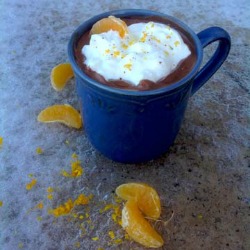 Enjoy a cup of hot chocolate with the hint of orange and the additional treat of Grand Marnier liquor. A decadent cup of chocolate!
4 cups milk
Zest of 3 Clementine oranges
1 teaspoon ground cayenne pepper
1 teaspoon ground nutmeg
1 teaspoon ground cloves
5 ounces 72% chocolate, chopped
3 ounces Grand Marnier (Optional)
Whipped Cream
In a sauce pan over medium-low heat, combine milk, zest, cayenne, nutmeg and clove. Heat until almost boiling, stirring constantly. Reduce heat to low and remove the cloves. Add the chocolate and stir into the milk mixture until the chocolate is melted.
Whisk briskly to build a rich froth and pour into warm mugs and serve. Garnish with a dollop of whipped cream.
Makes 4 servings.
Fireball Mexican Hot Chocolate Recipe:
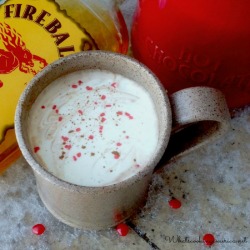 Check out this fantastic Fireball Mexican Hot Chocolate Recipe that has alcohol in it. Both my daughters got together to have a hot chocolate cooking day and came up with some wonderful flavor combinations.
For this recipe, they even flavored the whip cream with a little bit of the Fireball Whisky. This turned out so good, they were ready to finish off the entire bowl of Whipped Cream! They garnished the top with some cinnamon and crushed red hot sprinkles.
Chocolate Glossary – Types of Chocolate
All chocolate is not created equal. When shopping for your chocolate look at the label to find the percent of cocoa butter contained in the bar. The cocoa butter is where all the flavor and texture is. The higher the percent, the better the chocolate.
Dark Chocolate – Dark Chocolate is Healthy Chocolate
It is The Best Medical News In Ages! Studies in prestigious scientific journals say dark chocolate is healthy chocolate
How To Melt and Temper Chocolate
Melting chocolate is not the same as Tempering Chocolate.
Hot Chocolate History
There is a difference between hot cocoa and hot chocolate. The terms are often used interchangeably, but technically they are as different as white chocolate and bittersweet chocolate.
Chocolate Substitution Chart
Need a quick substitution for chocolate? Here are some chocolate substitutions, but remember not always do they work as well as the original recipe ingredient.
One Response to “Best Hot Chocolate Recipes”
Jake sterling
I could be wrong, but I believe that in Italian, “Cioccolato”, with the masculine “o” ending, refers to all forms of chocolate; but hot chocolate (chocolate that you drink) takes the feminine ending—“cioccolata”. So, I think it should be “cioccolata calda.”