You know how to drink wine, but do you really know how to taste it?
Wine tasting is not the same as drinking it. To experience the true flavor of a wine requires that you slow down and pay attention to your senses of sight, smell, touch, as well as taste.
Remember – There are no right or wrong descriptions of how a wine tastes or smells. Do not rush the tasting experience. Linger over the wine.
The Basics:
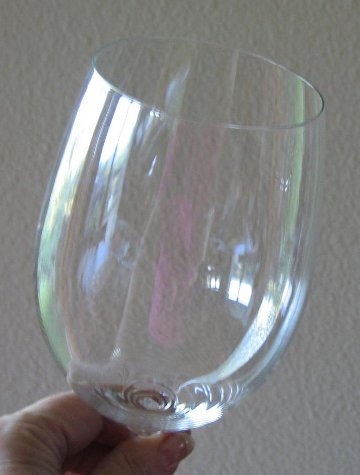
Start with a clear wine glass. The rim of the glass should bend inwards to help funnel aromas to the nose, and allow you to swirl without spilling.
Holding a Wine Glass:
There is a right way and a wrong way to hold a wine glass, and it does make a difference. Never hold the glass by its bowl, only by its stem since the heat of your hand will quickly warm the liquid.
If you are tasting several wines, begin with the lightest white wines first and progress to the heaviest red wines. This will help keep your taste buds more sensitive so you can better appreciate each wine in the series. A sip of water between wines can also help preserve your palate.
Now pour a little wine into your glass – an inch or less is best.
Sight:
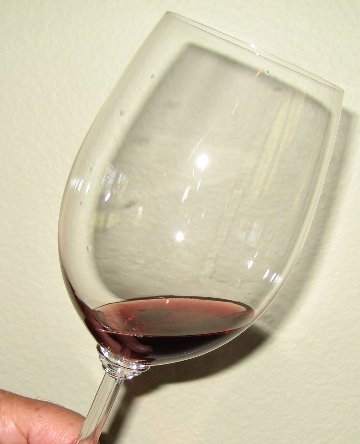
Look at the wine – in daylight if possible. The best way is to slightly tilt the wine in the glass and hold it up to the light or look at it against a white or pale background. What do you see? While firmly holding the stem of the wine glass, gently swirl the glass in tiny circles on a flat surface for 10 to 20 seconds allowing oxygen to penetrate the wine.
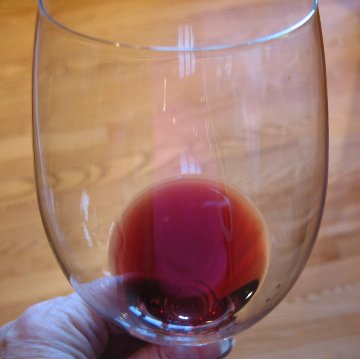
Is the wine clear or cloudy? The color will vary according to what type of wine you are tasting.
Red Wines: Red wines vary greatly in color. A young red wine is typically a bright-raspberry color. You will see hints of reddish-brown around the edges. An older red wine might be mahogany to brick-like in color. As a red wine ages, the red wine tends to have a brick-like color. Some dessert wines and especially those that have been in oak barrels, tend to be golden.
White Wines: White wines range from pale green to yellow to deep golden brown and become more golden as they age.
Swirling Wine:
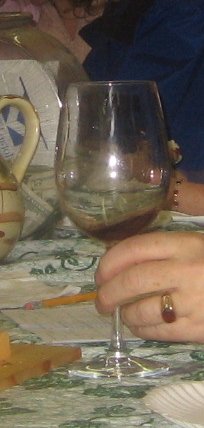
While firmly holding the stem of the wine glass, gently swirl the glass in tiny circles on a flat surface for 10 to 20 seconds allowing oxygen to penetrate the wine.
The purpose of swirling wine in a glass is to aerate the wine and release vapors, evaporating from the sides of the glass, for you to smell. As the wine coats the sides of the glass, it releases its bouquet.
Observe the streaks of wine (legs) as they roll down the side of the glass. The legs can help you determine the body of the wine.
Smell or Sniff:
Tip the glass up and stick your nose in it and inhale. Some tasters claim that you can get more aroma by holding your nose an inch or so above the glass after swirling. They think you catch more than you would if you put your nose all the way into the glass. Try both ways to see what works for you. Also, your nose tires very quickly. Even “off-smells” may not register after a number of sniffs.
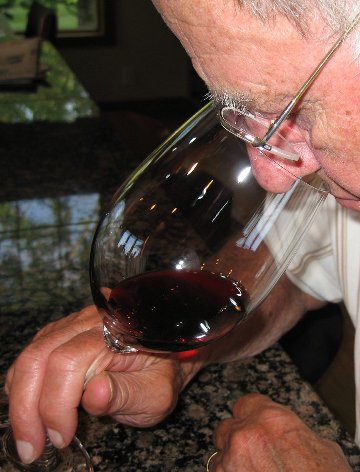
Did you know that 80% of our sense of taste is actually in our nose? The aromas can be quite different depending on how far into the glass your nose goes. What do you smell? There is no proper sniffing technique. Some wine connoisseurs prefer to sniff by quickly inhaling two or three times. Others prefer one deep sniff or smelling with one nostril at a time.
At the top of the glass, the smells are more floral and fruity; deeper in the glass, they are richer. Try to detect the full range of scents from berry to floral to spicy to woody … and so on. Consider intensity and appeal.
Sip and Taste:
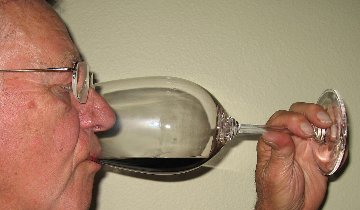
This is the final step and should be taken only after you’ve used your other senses. Then sip the wine, letting the wine spread across the tongue from front to back and side to side before swallowing.
If you feel comfortable doing so, carefully slurp some air through puckered lips. This slurping of air (aerating) will help to release flavor and aromas. Assessing the wine by taste should confirm the conclusions drawn from the appearance assessment and the smell assessment.
The tip of the tongue detects sweetness
The inner sides of the tongue detect sourness and/or acidity
The outer sides of the tongue detect saltiness
At this point you can either spit it out (especially if you are tasting several wines) or simply drink it, but be sure to experience the aftertaste (the finish). Professional wine tasters will not swallow the wine, but immediately spit it out (you will see buckets for this purpose).
What Different Wine Terms Mean:
Tasting for Sweetness
The first thing you will probably notice is the relative sweetness or dryness of the wine. This is determined by the amount of natural sugar in the wine. Higher sugars in the grapes have the potential to produce higher alcohol.
Tasting for Acidity
The next sensation you will notice almost immediately is the tartness or acidity of the wine. Just think of the difference between grapefruit juice and water. Acid may sound harsh but it is very important in making wine taste crisp and fresh. If there is too much acid, the wine will taste bitter and unpleasantly sharp. If there is not enough acid, the wine will taste flabby and flat.
Tasting for Tannin
If you are drinking red wine, you may also notice the tannins in the wine. Tannin is a chemical that comes from the stalks, pips and skins of red grapes. It tastes astringent and “mouth-drying”, and makes your mouth “pucker”. There are many kinds of tannin. Some tannins taste bitter. Tannins are most noticeable in young red wines. Over time, as wines age, tannins “soften” and give the wine a certain full-bodied weightiness that is very enjoyable.
Tasting for Alcohol
Alcohol is found in all wine. A moderate amount of alcohol in wine adds “sweetness” to the taste. If the alcohol is too high and out of balance with the tannin and fruit, then the wine will feel hot in your mouth and difficult to drink.
Tasting for After Taste
This is the sensation that lingers in your mouth just after swallowing a sip of wine. Aftertaste is important in wine tasting because it can reveal an extra attribute or a fault. Sometimes certain flavors become noticeable in the aftertaste, such as chocolate. A long, pleasant aftertaste, where all the components of the wine are in balance is a sign of quality.
Overall Assessment
When the aftertaste is gone, ask yourself what your general impression is of the wine. Do you like it? Do all the components seem to be in balance? If you think the wine (especially young red wine) is too astringent, consider that it might improve and mellow or “open up” with age. Or is the wine ready to drink now? What kinds of food might go nicely with this wine?
Also check out the following great web page: Cooking with Wine
6 Responses to “Taste Wine Like A Pro – Wine Tasting Basics”
Ridley Fitzgerald
It’s nice to know how to really taste wine. My wife and I really want to go on a wine tour sometime, but I want to be educated before we try it. I’ll be sure to start off by looking at the wine, like you said. What am I supposed to see?
Linda Stradley
Red Wines: Red wines vary greatly in color. A young red wine is typically a bright-raspberry color. You will see hints of reddish-brown around the edges. An older red wine might be mahogany to brick-like in color. As a red wine ages, the red wine tends to have a brick-like color. Some dessert wines and especially those that have been in oak barrels, tend to be golden.
White Wines: White wines range from pale green to yellow to deep golden brown and become more golden as they age.
John
I didn’t know it was a fauxpaux to hold a wine glass by the bowl. I;ll have to hold it from the stem on Saturday. The wife and I are going wine tasting.
Ellie Davis
I loved your article about the basics of wine tasting. My husband loves wine, and I bought tickets for a wine tour as our anniversary gift. This will be the first time that I attend a wine tasting tour, and to know that the most important thing is to pay attention to our senses of sight, smell and taste will be really useful.
Nancy
Have a great time! Wine tasting can be a fun afternoon activity for a group of friends. Sometimes you even get to keep the glass!
Tim Harrel
A guided wine tasting is an interactive experience in which you will learn about wines and how they are made while experiencing them.