
How To Make Perfect Pie Crust
Check out Linda’s favorite recipes for the Perfect Pie Crust and favorite Pie Recipes (all your favorite pie recipes plus lots more).
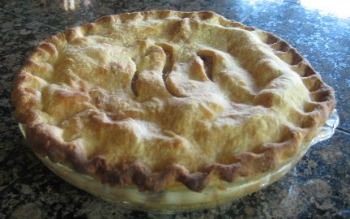
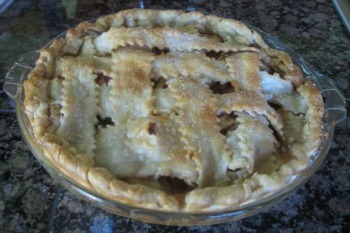
Watch our video: How To Make Perfect Pie Crust
There are three basic ingredients in a perfect pie crust: fat, flour, and liquid.
You can come up with numerous variations just by changing your basic ingredients and their ratios. Check out favorite recipes for the Perfect Pie Crust.
Cold ingredients and limited handling are the key to preparing a wonderful pie crust.
The colder the better. All ingredients (even the flour) should be ice cold before mixing. It is especially important for the fat you are using (butter, lard, and/or vegetable shortening) to be very cold. Professionals say pie dough should never get warmer than 60 degrees F. If you are making the dough in a food processor you can even freeze the fat before using it.
Fats: The type of fat you use will affect flavor and flakiness, while the amount affects tenderness. Flaky crusts result when bits of unmelted fat are layered between layers of flour and melt away with baking. They can be made from a variety of solid fats such as butter, vegetable shortening, and lard. Check out Pie Crust Recipes using various types of fat.
Butter, lard, and vegetable shortening must be chilled prior to use. If it is too warm, the flour will absorb too much of the fat and produce a tough crust. If using butter or margarine, cut into small pieces prior to adding to the flour.
Tip: Cut the butter into small (about 3/4 inch) cubes. Wrap in plastic wrap and freeze until frozen solid, at least 30 minutes. Butter Tip: Shred the frozen butter into the flour with a cheese grater.
Liquids: For a tender crust, you want just enough liquid to moisten the flour without drenching it. Liquids should be well chilled (actually liquids should be ice cold). The mixing, after water is added, is critical in making a pie dough – water should be added gradually to the dry ingredients and not all at once.
Mix by hand with your fingers or a pastry blender. Use a minimum amount of liquid and handle the dough as little as possible. Overworking the dough will make it tough. NOTE: If too much water is added, the dough will have to be mixed with more flour thus becoming overworked and tough. If too little water is added, it will cause a dry crumbly dough with poor handling qualities.
Tip: You can use the pinch test to see if your dough has the right amount of liquid. Pick up a small clump of dough and gently squeeze between your fingers. When the dough just sticks together with small dry cracks, your dough is perfect.
Flour: To promote tenderness in your pie crust, choose a low protein wheat flour such as cake flour or pastry flour. All-purpose flour is readily available and works well for pie crusts. Unbleached flour is more tender. Always sift the flour before measuring it. In fact, all dry ingredients need to be sifted together.
Pastry-Type Flour: To make a pastry-type flour from all-purpose flour, place 1 tablespoon of cornstarch or other non-gluten flour in the bottom of the measuring cup for every cup of flour you measure.
If you want to use a whole grain flour to make pie crust, allow extra time. You will have a much more tender crust if you refrigerate the pie dough overnight before baking to allow the bran to re-hydrate thoroughly.
Perfect Pie Crust Hints and Tips:
Rolling the dough:
Pie dough benefits from a rest period after mixing. This will make the dough easier to roll and shape. Once the dough has come together, form it into a disc (approximately 1/2 inch thick) and wrap it tightly in plastic wrap. Place the prepared dough in the refrigerator during this resting time. As long as the dough is kept in the refrigerator, you can keep it there for as long as 24 hours. When ready to use, let the dough sit at room temperature approximately 20 to 30 minutes before rolling. NOTE: The dough may also be frozen at this point for later use. When ready to use, thaw the dough overnight in the refrigerator.
If you roll out the dough on wax paper or parchment paper, it makes cleanup easier. To keep wax paper from slipping, sprinkle a few drops of water on the counter top before arranging the paper.
When rolling dough out, always start from the center and work your way out in all directions. Use a heavy rolling pin for rolling pie crust.
Pie Plates:
Pyrex glass pie plates are the best choice for baking your pies, as this type of pie pan conducts heat evenly, which allows the bottom crust of the pie to bake thoroughly. Also you can see when the bottom crust of your pie is browned. If using a glass pie plate, reduce the oven temperature by 25 degrees F. Do not oil or grease glass pie plates.
Thin, aluminum pie pans are a poor choice because they cook unevenly. If you have to use them, double them up and use two. Dull metal pie plates are better than shiny metal pans for making pies. The shiny metal pans keep the crust from browning properly.
Hints to prevent bottom crust from getting soggy:
Refrigerate the dough (in the pie plate) for 15 minutes before adding the filling.
If pie has only a bottom crust, you can blind-bake (see #4 below) the crust and then moisture-proof it. You can brush it with a bit of egg white two or three minutes after it comes out of the oven.
A good way to keep pie crust from becoming soggy is to sprinkle it with a mixture of equal parts sugar and flour before adding filling.
Another way is to brush the unbaked bottom crust of a pie with a well-beaten egg white before filling. This keeps the berries and other fruits from making the pie bottoms mushy.
Baking a frozen pie is also a help, as the crust begins to bake before the heat thaws the filling, and the entire pie bakes for longer than it would normally.
Blind Bake the Pie Crust:
To prevent sliding by blind baking, first line the pie plate with aluminum foil. Take a piece of aluminum foillong enough so that when folded in half, it covers the pie plate. Fold it in half, then shape it on the counter by pressing your hand down in the middle and pulling up on the sides (making sort of a bowl shape.) Now put the foil in your pie shell and gently press it so that it evenly covers the bottom and sides of the pie dough. Now put your pie weights in (you can use beans, rice, rock salt – virtually any small, heat-proof items to weigh the crust down so that it neither puffs up nor slides down). Bake in the preheated oven for about 10 minutes. Take out the aluminum foil and pie weights, and continue baking until lightly browned.
Another trick to weigh down the dough is to place empty pie pans on top of the dough in the pie plate. This is called double panning.
Two-Crust Pie: Brush a little water around the edge of the bottom crust before placing the top crust. This helps create a good seal once the two are crimped together.
Tip from Sarah Macsek of Bethlehem, PA: Before placing double-crusted pies in the oven, loosely wrap aluminum foil around the pie crust edges. This will help the edges from browning too quickly. Remove the aluminum about 10 minutes before pies are ready to come out of the oven so the crust is properly browned.
Fruit Pies: Always make deep slits in the top crust of fruit pie. If you do not do this, the filling will be soft and soggy.
To prevent the crust from getting too dark, you can cover it with a strip of aluminum foil or a pie shield. You also have the option of reducing the oven temperature if you notice things getting too dark.
Egg Wash: My mother, Dorothy Hagerman, taught me this trick of making an egg wash for achieving a nice golden brown top crust.
1 tablespoon heavy cream, half & half, or milk
1 large egg yolk
In a small bowl, beat cream and egg yolk together. Using a pastry brush, brush the surface of the top pie crust. Bake according to your recipe.
NOTE: My mother also uses just cream or milk on the top crust.
Cooling Baked Pies:
Cool baked pies on a wire rack set on the counter. The rack allows air to circulate under the pie, preventing it from becoming soggy from the steam remaining it in.
Storing Prepared Pie Dough:
Pie dough may be refrigerated for up to 2 days. Frozen, up to 3 months.
High-Altitude Baking:
When making pies at high altitudes, pie crusts are not greatly affected. A slight increase in liquid may help keep them from becoming dry. Use as little flour as possible when rolling out the dough.
9 Responses to “Perfect Pie Crust Tips”
JUde Irwin
The video would have been so much easier to hear – and a lot more enjoyable – if there hadn’t been the constant sound of whingeing kids in the background. If you’re going to post things to the Web, be professional in your approach. The tips were good, but the video only gets 4 out of 10.
Linda Stradley
Sometimes this is my reality in the kitchen when the grandkids are here. We like to have fun and don’t always strive for perfection.
Darin Moore
If you want perfect production values in your on line videos watch Martha Stewart. I give this comment person 1 star. Keep up the good work on your site.
Linda Stradley
We had a busy house and kitchen with the grandchildren in the background during this video.
Rioha Fortner
Thanks. This was a great help. I love the kiddos in the background. My favorite sounds in the kitchen, sounds of love, fun and family!
Brett
The video was extremely helpful. I like how it showed the process as it really is. This is much more helpful and confidence inspiring than some typical, slick production. Love the kids in the background; that’s my life, too, only my kids are much louder! 🙂 Not sure what anyone is complaining about — could hardly hear them, tbh. Thank you again for showing the actual piecrust-making process up close.
Joyce Halvorsen
Really good tips in the video though sometimes it w as hard to follow because of the sound of the kids in the background. Be professional about your videos on line. Set it up when your home is not so busy. Plan what you will be saying ahead of time. This helps the listener/viewer. Keep doing this though. Thank you for your tips.
Linda Stradley
We thought that it would be nice to let everyone see that we have family issues also.
David Wood
Great video. Captures the essence of baking. I am in charge of baking cherry pies every year for Thanksgiving and a real amateur. That said, butter is my friend and the family loves the pie, or at least that is what they tell me!
thanks
Dave