
According to legend, any place where thyme grows wild is a place blessed by the fairies
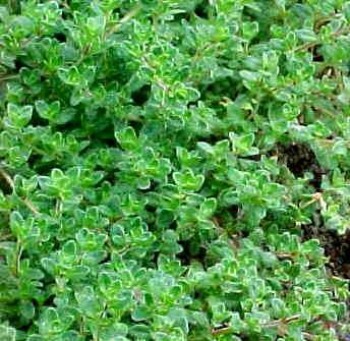
Thyme (pronounced “time”) is a Mediterranean native of the mint family, it is one of the most widely used herbs. There is believed to be abut 100 species of thyme. All thymes are wonderfully aromatic. Garden or Common Thyme, which grows easily from seed or cuttings, is the variety generally used in cooking, although there are many types of this mint-family perennial.
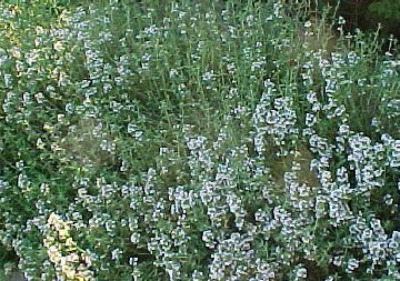
The plant has an agreeable aromatic smell and a warm pungent taste. The fragrance of its leaves is due to an essential oil, which gives it its flavoring value for culinary purposes, and is also the source of its medicinal properties. It is in flower from May to August.
The dried flowers of thyme, like lavender, have been used to preserve linen from insects. The leaves and flowering tops are an ingredient in sachets.
Cooking with Thyme:
Thyme is widely used in Italian cooking – where it is know as “timo, pronounced “tee-mo” – and even more so in French cuisine. It is considered by many herbalist as the very nearly perfect useful herb. It ranks as one of the finest herbs of French cuisine. When cooking with thyme be sure to add it early in the cooking process so the oils and flavor have time to be released. The general rule of using herbs in cooking is – when in doubt use thyme.
The flowers of the plant are also edible. The have a milder taste than that of the leaves. See Edible Flowers.
The Persians once nibbled fresh thyme as an appetizer. Some ancients Greeks though thyme gave one courage. In the days of chivalry, ladies embroidered a symbolic sprig of thyme and a honey bee on their scarves, which they gave as “favors” to the bravest knights.
Availability: Summer months are usually offer the best availability for fresh thyme.
Selection: Choose fresh herbs that have good green color; avoid those that are wilted. Packaged seasonings lose quality after a while. Try to buy from a store that restocks its fresh herb section fairly often.
Storage: Refrigerate fresh thyme in damp paper towels over wrapped in plastic. Stored this way, thyme will keep for up to one week. Store dried thyme and ground thyme in a cool, dark, dry place. Dried thyme will keep up to one year, ground thyme up to six months.
Categories:
Herbs, Spices and Seasoning Hints & Tips
One Response to “Thyme – Thymus Vulgaris”
edward barnum
how can i save a meatloaf that has overpowering thyme?