
Afternoon Tea Party Recipes
Recipes for your Afternoon Tea Party. Includes tea sandwiches, scones, desserts, etc.
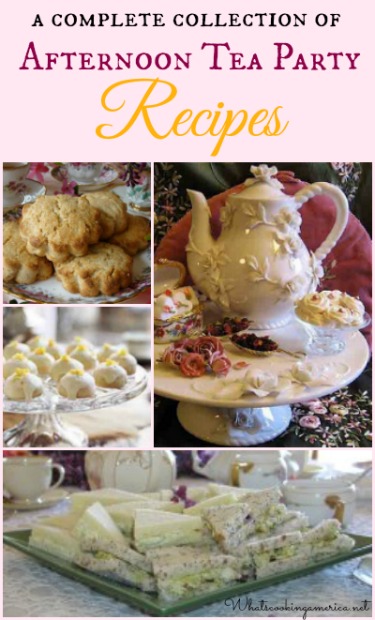
Become an expert Afternoon Tea host/hostess by following these helpful Afternoon Tea Guidelines. Learn all about the history of Afternoon and High Tea
See the complete collection of our regular contributor, Ellen Easton’s Tea Travels™ articles and Afternoon Tea Recipes featured on our site.
Afternoon Tea Etiquette and Protocols
- A Proper Afternoon Individual Tea Setting
- Afternoon Tea – Food Service Styles
- History and Protocols of Napkins
- Invitation to Afternoon Tea
- Tea Etiquette Faux Pas
- Tea or Etiquette Consultant
- Tea Questions and Answers
- The Gift of Good Manners
- Understanding Tea Time Service
Afternoon Tea Menus
- Afternoon Children’s Tea Party Menu
- Autumn Tea Menu
- Buffet Tea For Easy Entertaining
- Gluten Free Tea Party Menu
- Mother’s Day Afternoon Tea Menu
- Pretty in Pink Afternoon Tea Menu
- Spring Afternoon Tea – Menu and Recipes
- Springtime Celebration Luncheon Menu
- Springtime Tea Menu
- Summer Rose Tea Menu
- Victorian Tea Menu
Afternoon Tea Beverages
- Agua Fresca
Find all of our delicious agua fresca recipes. Learn how to make this refreshing non-alcoholic drink to serve at your next garden party. - Coffee Drinks
Find all of our delicious coffee drinks. Learn how to make all of your favorite coffee drinks or try one of our adventurous flavor combinations. - Hot Chocolate
Find all of our hot chocolate recipes. Discover new ways to prepare and serve this classic toasty beverage. - Iced Beverages
Find all of our refreshing iced beverages. Learn how to make everything from chai tea to granita recipes. - Infused Waters
Find all of our delicious infused waters. Learn how to infuse the flavors of your favorite fruits to make a crisp and refreshing healthy drink. - Juicing Recipes
Find all of our delicious juicing recipes. Read our helpful guide to juicing for health and weight loss and learn all of the benefits of juicing. - Lemonade
Find all of our lemonade recipes. Learn how to make amazing homemade lemonade and serve this refreshing beverage at your next cook out. - Milkshakes
Find all of our delicious milkshakes. Learn how to make mocha milkshakes and avocado shake. - Miscellaneous Drinks
Check out our miscellaneous drinks recipes. Learn how to make new non-alcoholic beverages to serve your guests at your next get together. - Punch
Find all of our delicious punch recipes. Discover how easy it is to make these crowd favorites for your next family get together. - Smoothie
Find all of our smoothie recipes. Discover how simple it is to blend fresh fruit into beautiful and refreshing smoothies. - Tea Drinks
Find all of our delicious tea drinks. Learn how to brew both hot and cold teas and try making some of our classic recipes.
Afternoon Tea Cakes
Afternoon Tea Candies
Afternoon Tea Cookies
Afternoon Tea Jams, Butters, Spreads and Toppings
Afternoon Tea Puddings
- Bread Pudding Recipes
Find all of our delicious bread pudding recipes. Choose to serve one of our many variations of this incredible dessert at your next dinner party. - Creme Brulee
Find all of our delicious creme brulee recipes. Learn how to make this classic french custard dessert in many unique flavors. - Flan Recipes
Find all of our delicious flan recipes. Learn how to make flan in fun flavors from classic Tres Leches to Vanilla Soy Flan with Butterscotch Sauce. - Panna Cotta Recipes
Find all of our Panna Cotta recipes. Learn how to make this Italian dessert and try making some of these delicious recipes. - Trifles
Check out our trifles recipe collection. Treat your guests with this impressive dessert at your next gourmet dinner party.
Afternoon Tea Sandwich Recipes
Afternoon Tea Savories
Afternoon Tea Quick Breads & Scones
- Corn Bread
Find all of our delicious corn bread recipes in this collection. Serve them as a side or use them to make an incredible cornbread stuffing. - Muffins
Find all of our homemade muffins. Discover new recipes and try making one of these delicious muffins. - Scones
Find all of our delicious scones recipes. Learn how to make the perfect scone and try making one of our many adventurous flavors.
Fruit Salads
Strawberries
Tea Travels™ Articles
- ‘At Home At Highclere – Entertaining At The Real Downton Abbey’ – Exclusive Book Preview
- ‘The Official Downton Abbey Cookbook’ – Exclusive Book Preview
- Afternoon Tea at the Milestone Hotel in London
- Afternoon Tea Gowns
- Almonds History and Recipes
- Bergdolf-Goodman’s Pret-A-Portea – Afternoon Tea for the Fashionista
- Decorating Tea Sandwiches and Savories
- Decorative Holiday Afternoon Tea Sandwiches
- Hand Decorated Easter Eggs
- Lady Mendl’s Tea Salon
- Metropolitan Museum of Arts
- Retro Dinner Party Menus
- Tea and Health – Exploring Herbal Teas and Infusions
- Tea Glossary
- Tea Tasting
- Teatime at Highclere Castle – The Real Downton Abbey
- Teatime with Broadway Stars
- The Lowell Hotel-Pembroke Room’s Afternoon Tea
- Yerba Mate